A sewage backup is not just a plumbing inconvenience; it is a severe biohazard emergency. Categorized as "Category 3" or "Black Water" in the restoration industry, sewage contains deadly pathogens, viruses, and bacteria that can cause severe illness or even death upon contact.
The Invisible Threats in Black Water
Sewage water is highly contaminated. It routinely carries Hepatitis A, Salmonella, E. Coli, Giardia, and Rotavirus. Even if the water looks relatively clear (such as toilet overflow), if it has passed the trap, it is considered Category 3 water. You do not need to ingest it to get sick; pathogens can enter through microscopic cuts in your skin or be inhaled as aerosols.
Immediate Actions to Take
If you experience a sewage backup in your home:
- 1. Evacuate the area immediately. Keep children, elderly individuals, and pets far away from the contaminated zone.
- 2. Turn off the HVAC system. You do not want your air conditioner circulating aerosolized fecal matter and bacteria throughout the rest of the house.
- 3. Shut off the main water supply if the backup is actively flowing.
- 4. Do not attempt to clean it yourself. Bleach and a mop will not decontaminate porous materials.
The Professional Decontamination Process
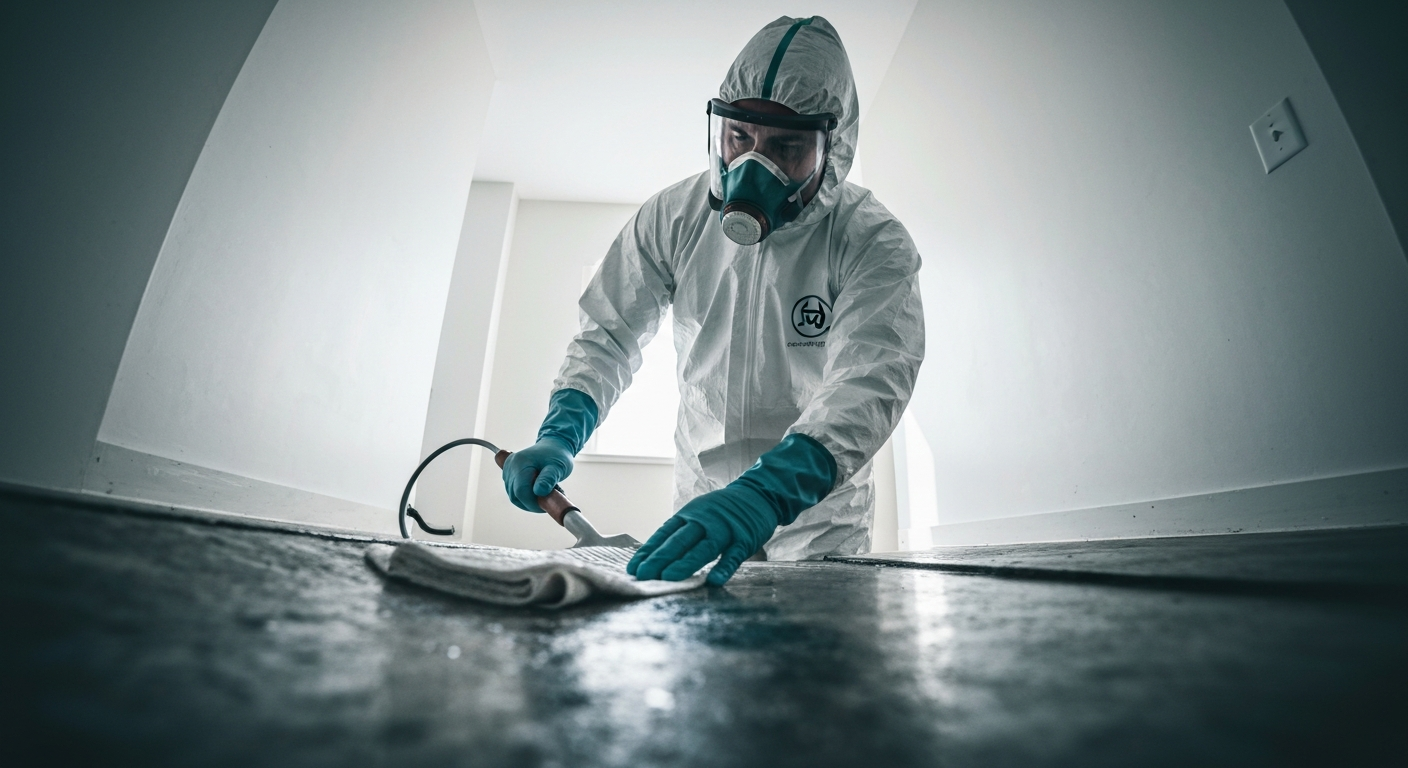
Proper sewage cleanup requires full-body Personal Protective Equipment (PPE), including respirators. The process involves:
- Extraction: Removing the raw sewage using specialized, contained equipment.
- Demolition: Any porous materials (carpet, padding, drywall, insulation) that have touched Category 3 water MUST be removed and safely disposed of. They cannot be saved.
- Sanitization: Applying hospital-grade antimicrobial and virucidal agents to all remaining structural elements.
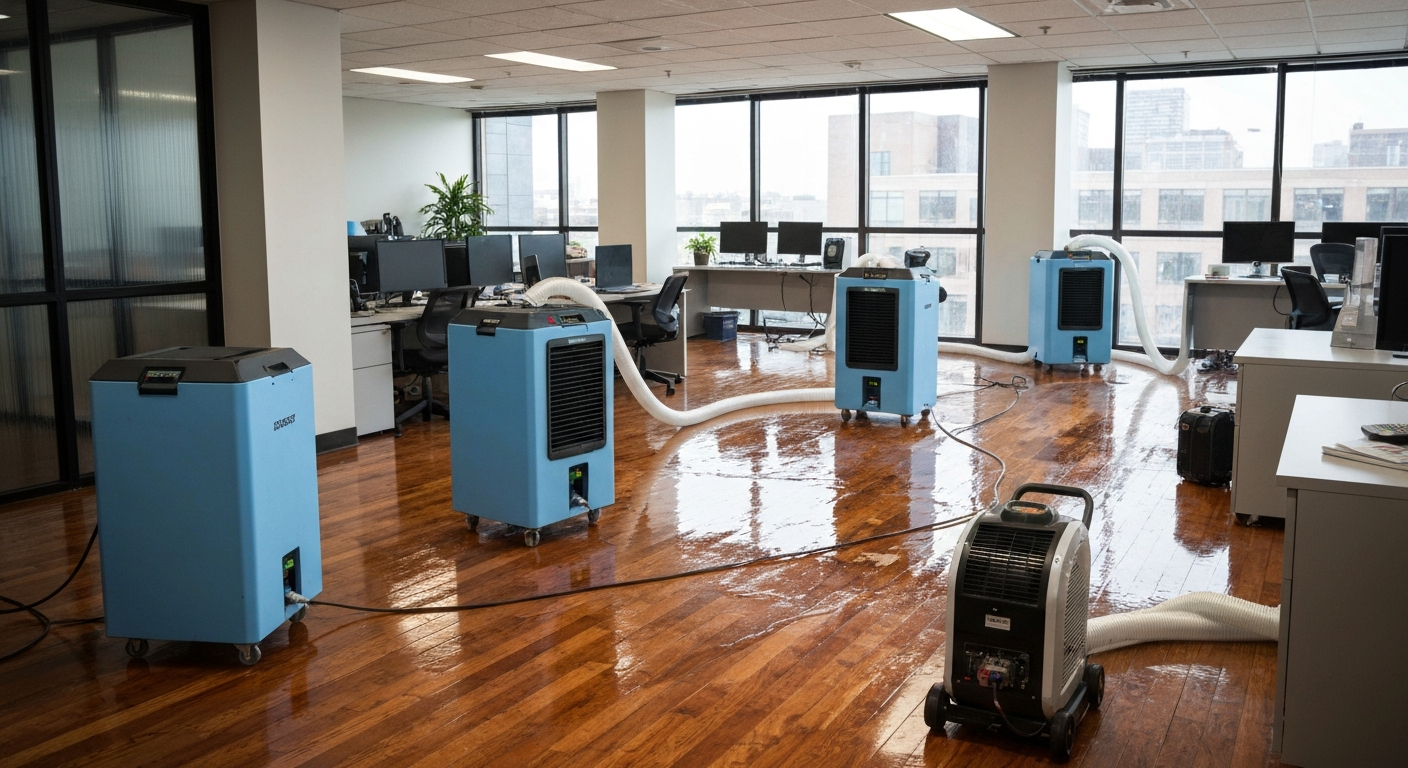
- Drying: Using commercial dehumidifiers and air movers to dry the structure to prevent secondary mold growth.
Critical Warning
Never use high-velocity air movers or fans on standing sewage water. This will aerosolize the bacteria and pathogens, spreading the biohazard throughout your entire home and making the air highly toxic to breathe.