Living in coastal San Diego means dealing with unique humidity challenges. While we love the ocean breeze, the moisture it brings can create the perfect environment for hidden mold growth. Mold isn't just an unsightly nuisance; it's a structural hazard that degrades building materials and a severe health risk that can trigger asthma, allergies, and respiratory infections.
The Science of Mold: The 48-Hour Rule
Understanding how mold works is the first step to preventing it. Mold spores are microscopic and exist naturally in the air everywhere—both indoors and outdoors. However, these spores remain dormant until they find three things: oxygen, a food source (like drywall, wood, or dust), and moisture.
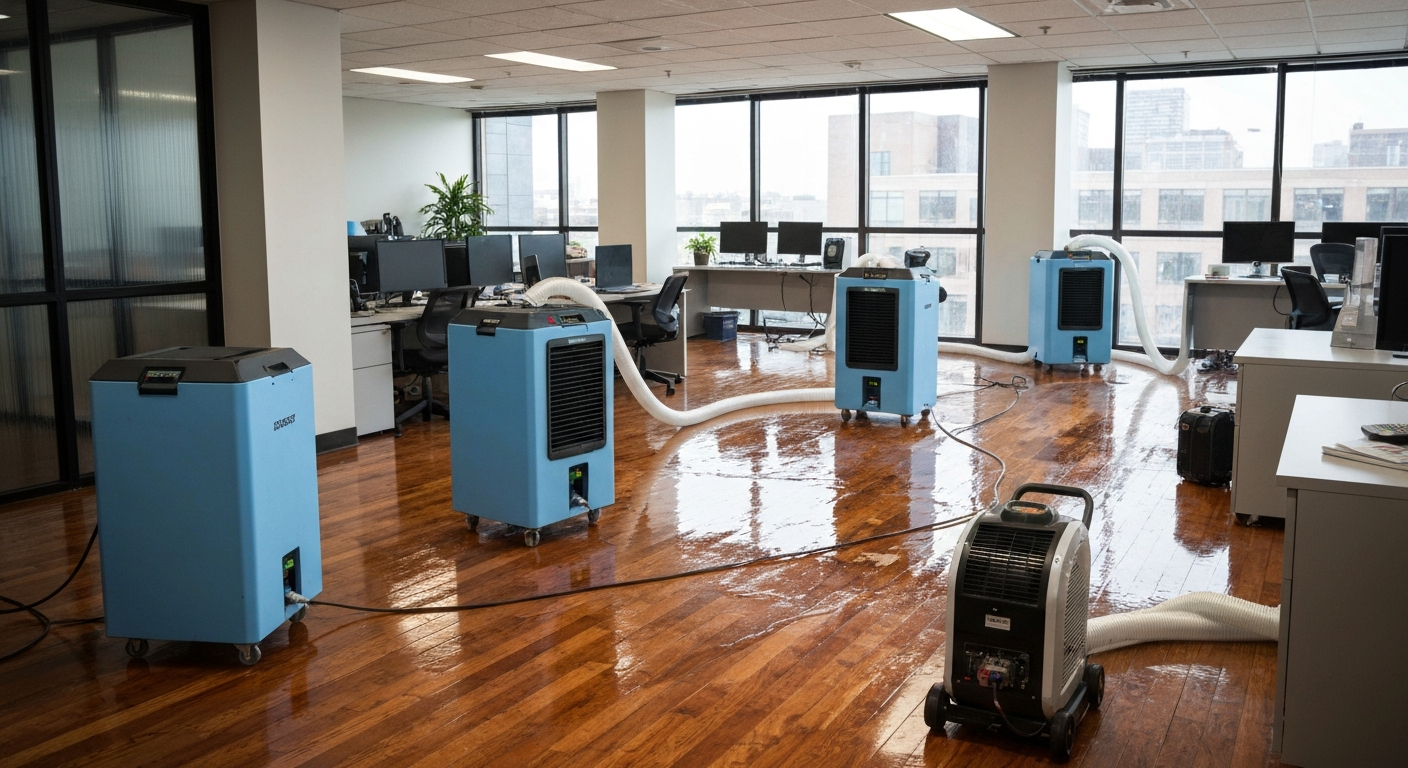
Once a surface becomes wet, mold can begin to colonize within 24 to 48 hours. This is why immediate water damage restoration is so critical. If a pipe bursts or a roof leaks, you don't have days to wait; you have hours. Rapid extraction and structural drying are the only proven ways to stop mold before it starts.
Control Your Indoor Humidity
For homes in Chula Vista, National City, and Imperial Beach, keeping indoor humidity between 30% and 50% is key. When humidity consistently rises above 60%, mold can begin growing on walls, clothing, and furniture without any direct water leak.
- Use Dehumidifiers: Run a dehumidifier in naturally damp areas like basements or large crawlspaces.
- Ventilation is Crucial: Always run exhaust fans in bathrooms during and for 30 minutes after showers. Ensure your kitchen range hood vents directly to the outside, not just into the attic.
- Air Conditioning: Your AC unit naturally removes moisture from the air. Keep it well-maintained and change the filters regularly to ensure proper airflow.
Regular Property Inspections
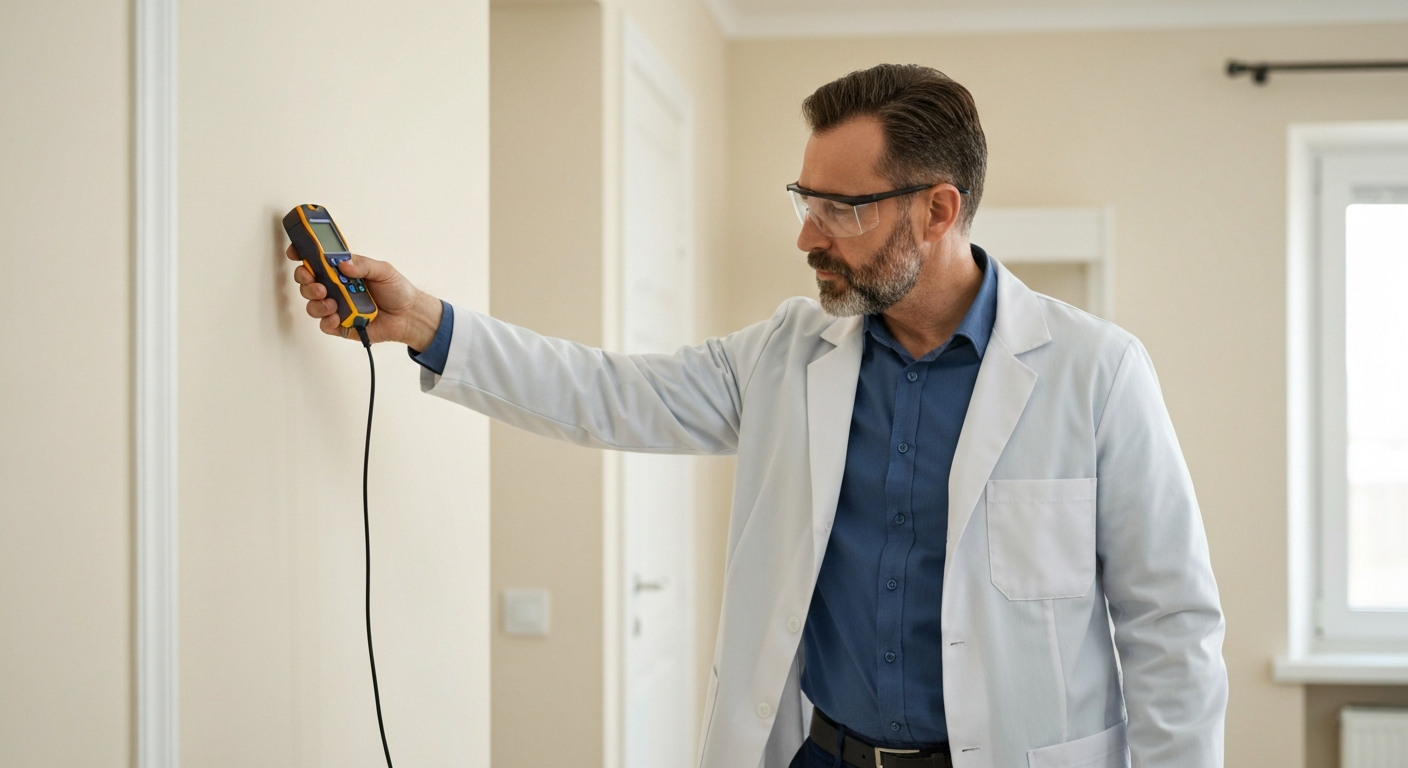
Mold loves dark, hidden spaces. You must actively look for it before it becomes a massive infestation. Check under sinks, around window frames, behind toilets, and in attics or crawlspaces regularly.
Look for "ghosting" on walls (dark, shadowy stains), peeling paint, bubbling wallpaper, or a persistent earthy, musty odor. These are often the first signs of a slow plumbing leak or roof leak that is feeding a hidden mold colony behind the drywall.
The Bleach Myth: What Not To Do
One of the most common and dangerous mistakes homeowners make is spraying bleach on mold. Do not use bleach to kill mold on porous surfaces like drywall or wood.
Bleach is mostly water. When applied to porous surfaces, the chemical chlorine stays on the surface while the water soaks deep into the material, actually feeding the roots of the mold. The surface may look clean temporarily, but the mold will return faster and stronger. Professional remediation requires specialized antimicrobial agents that penetrate the material to destroy the roots.
When to Call a Professional
If you discover mold covering an area larger than 10 square feet (roughly a 3ft by 3ft patch), the EPA strongly recommends hiring a certified professional.
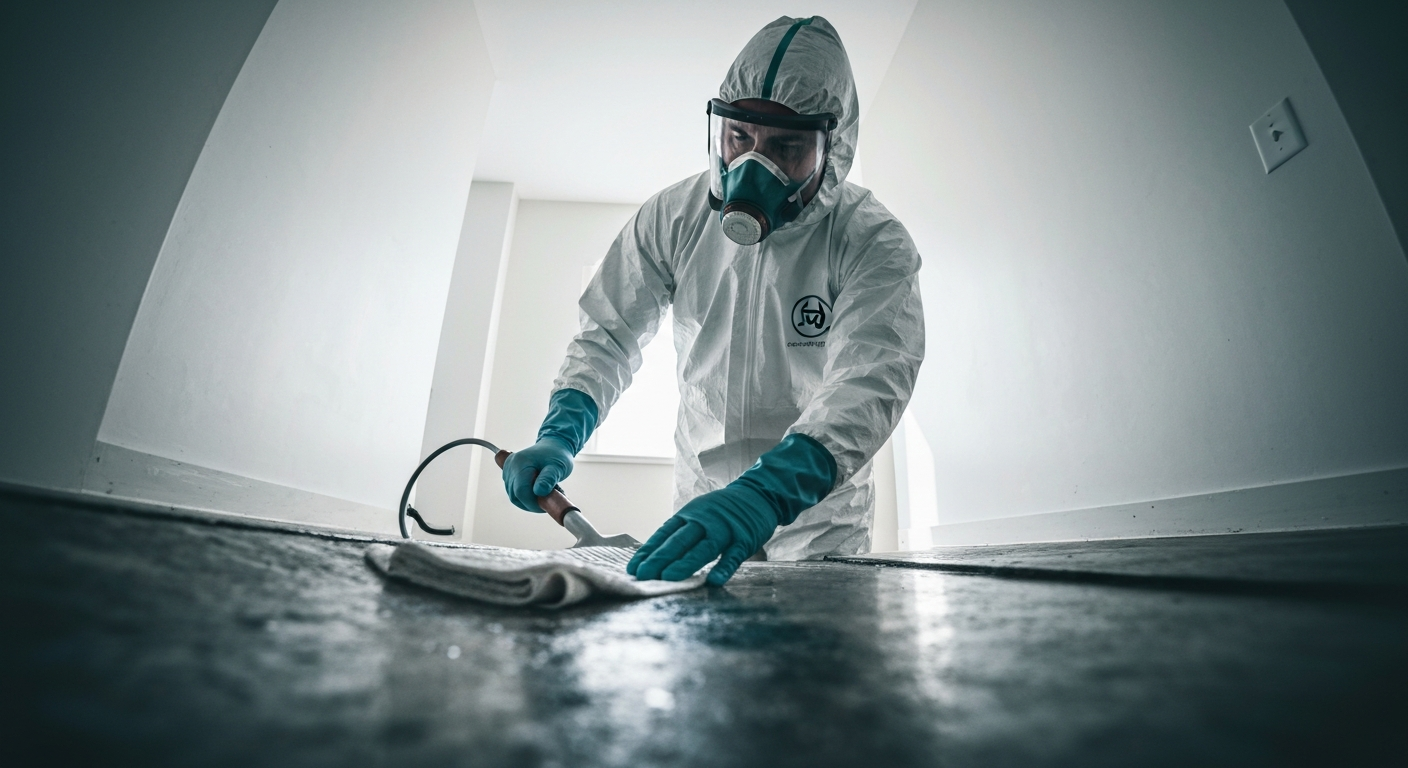
DIY mold removal often makes the problem worse. Scrubbing dry mold releases millions of microscopic spores into the air, which can travel through your HVAC system and cross-contaminate the rest of your home. Professional remediation involves building negative pressure containment zones, using HEPA air scrubbers, and safely removing contaminated materials without spreading the spores.
Prevention Checklist
- • Clean exterior gutters and downspouts frequently
- • Inspect appliance water hoses (washer, fridge, dishwasher) annually
- • Grade the soil around your foundation so water flows away from the house
- • Fix leaky faucets and running toilets immediately
- • Insulate cold water pipes to prevent condensation dripping
Early Warning Signs
- • Persistent musty, damp, or earthy odors
- • Unexplained discoloration on walls or ceilings
- • Increased allergy symptoms (sneezing, coughing) only while at home
- • Frequent condensation on the inside of window panes
- • Soft or spongy spots in hardwood flooring