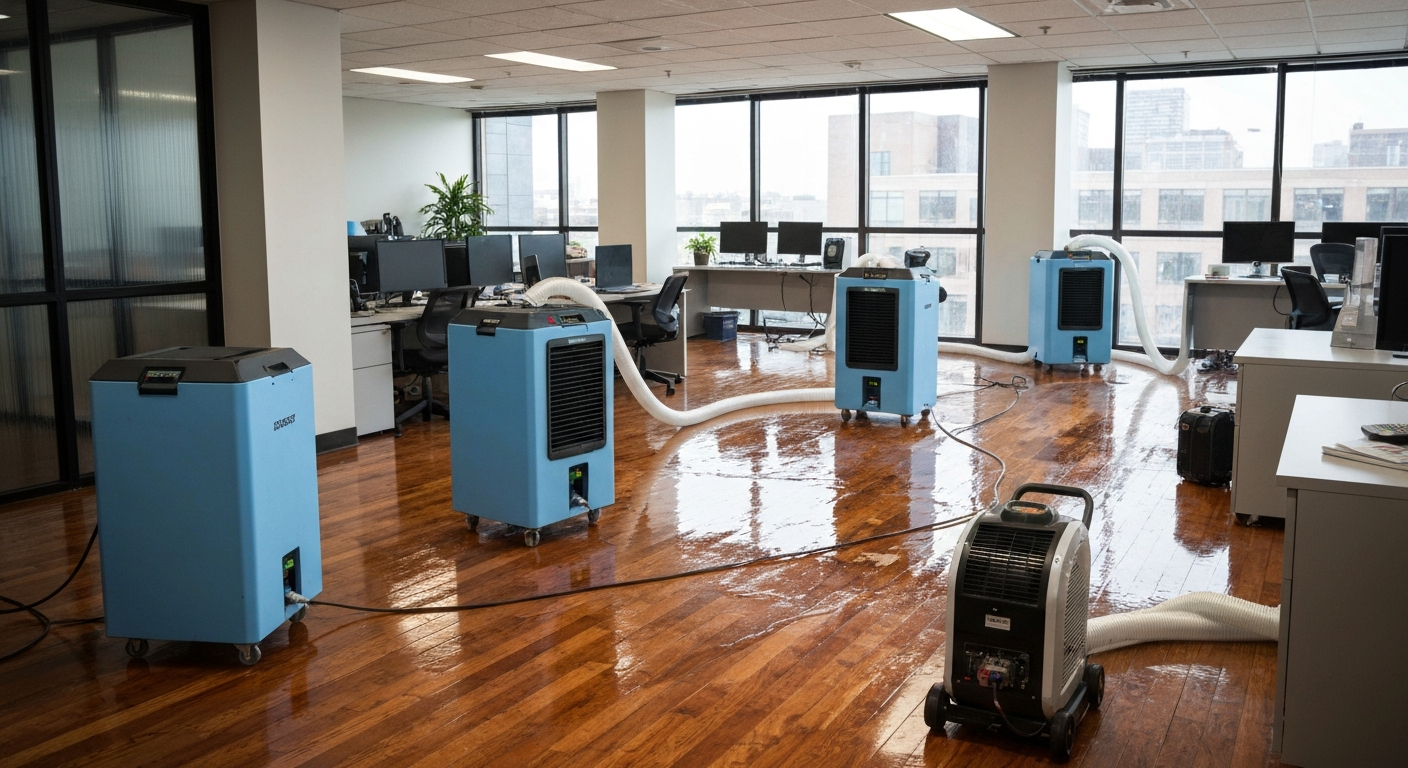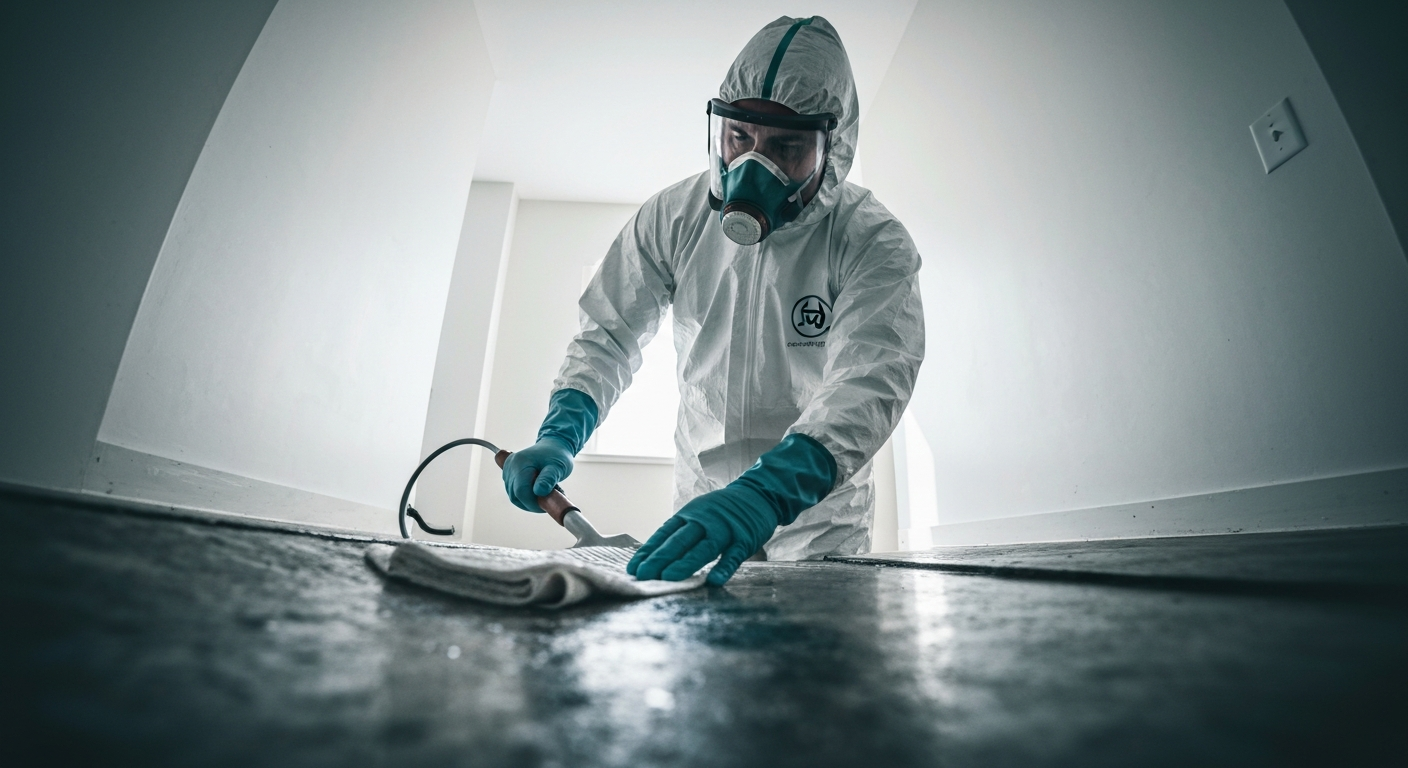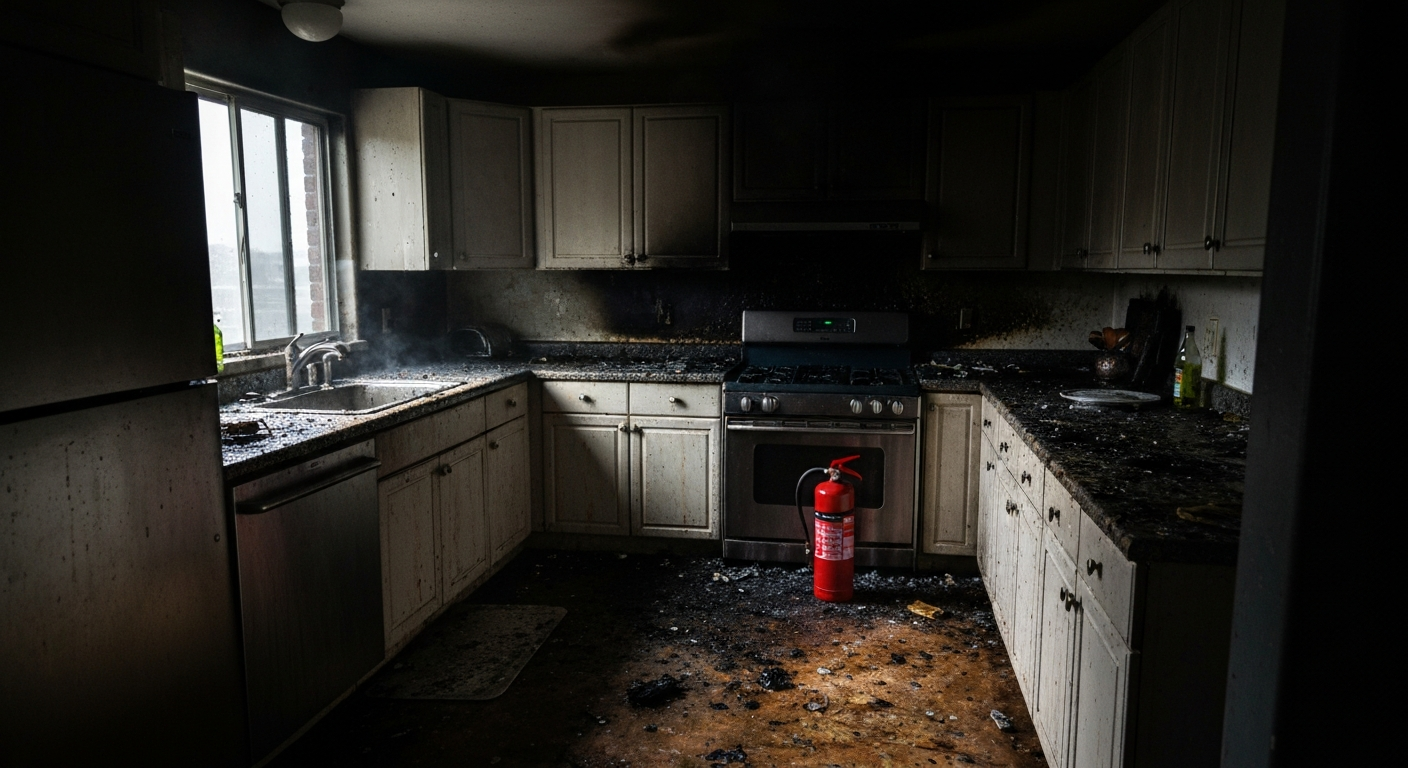
Not all water damage comes from a dramatic, catastrophic event like a burst main pipe or a flash flood. Often, the most expensive and dangerous water damage is the kind you don't see until it's too late. A pinhole leak behind a wall can silently rot structural wood and breed toxic mold for months before you notice it. Here are the seven subtle signs that water is destroying your home from the inside out.
1. Unexplained Musty Odors
Your nose is often the best early-warning detector for hidden water damage. A persistent, earthy, or musty smell—often described as smelling like old, wet cardboard or dirty socks—is a strong indicator of hidden mold growth.
Mold requires moisture to thrive. It cannot exist in a perfectly dry environment. Therefore, if you smell mold, there is a hidden water source nearby feeding it. Pay close attention to changes in smell when you open cabinets under sinks, step into the basement, or turn on the HVAC system.
2. Changes in Flooring Texture
Water naturally flows downward and often accumulates beneath flooring, destroying the subfloor before showing on the surface. Look closely at your floors:
- Hardwood: Watch for "cupping" (the edges of the planks raise higher than the center) or "crowning" (the center raises higher than the edges). This indicates severe moisture absorption from below.
- Laminate/Vinyl: Watch for peeling, bubbling, or lifting at the seams.
- Tile: Look for loose tiles, crumbling grout, or a hollow sound when tapped, which means the adhesive has failed due to moisture.
3. Peeling Paint or Bubbling Wallpaper
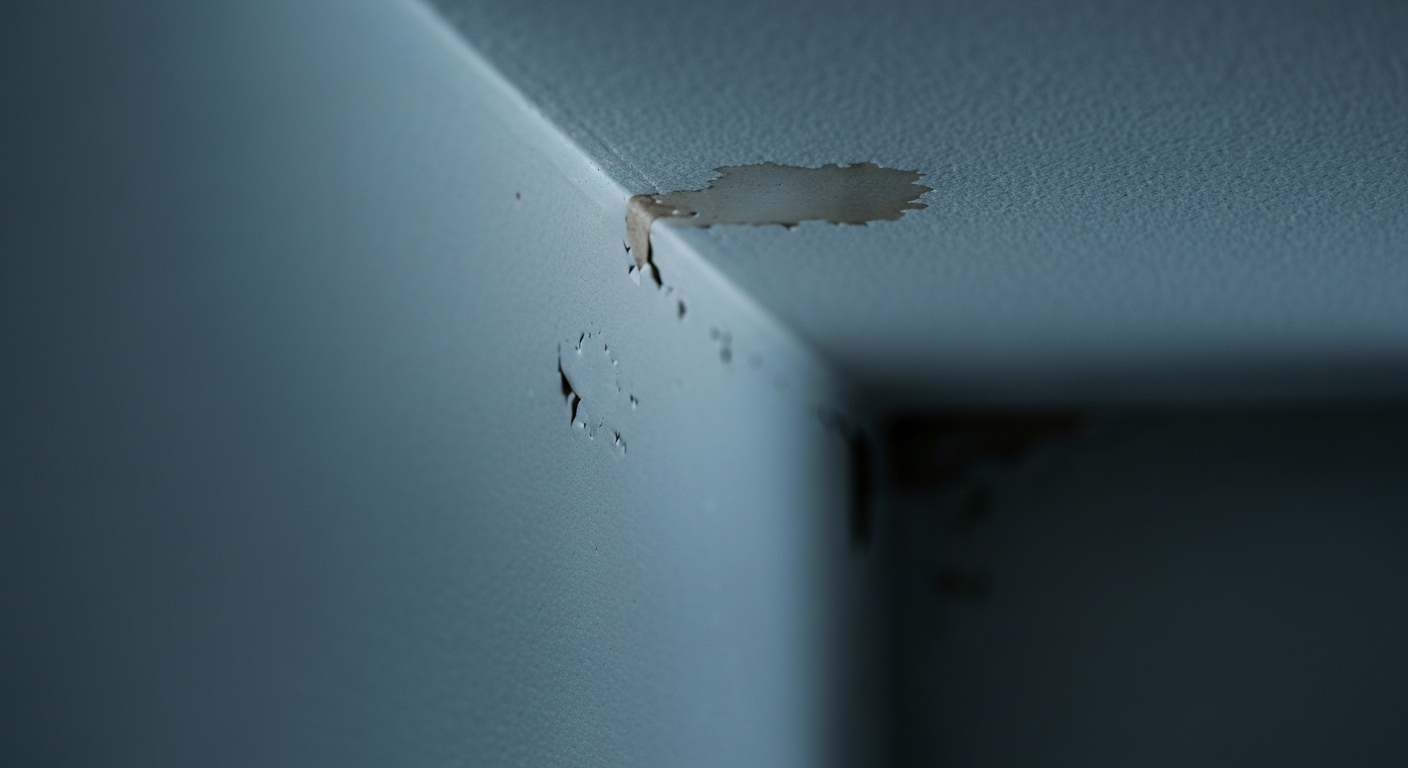
When drywall absorbs water from a hidden pipe leak, the moisture eventually tries to escape through the surface of the wall into the room. This process breaks the bond between the drywall and its covering.
This causes paint to flake, bubble, or peel, and wallpaper to lose its adhesion and sag. If your paint looks like it has a blister, or if the baseboards are starting to separate from the wall, there is likely a slow leak behind the drywall.
4. Unexplained Spikes in Your Water Bill
If your water usage habits haven't changed, you haven't filled a pool, and you haven't had guests over, but your water bill has suddenly increased, you almost certainly have a hidden leak.
While a running toilet or a dripping faucet is obvious, a pinhole leak in a supply line behind a wall or under a concrete slab can waste thousands of gallons of water over a month while silently destroying your home's foundation and framing.
5. Discoloration on Ceilings and Walls
Water stains often appear as faint, yellowish-brown rings on ceilings or walls. Homeowners often make the mistake of touching the spot, finding it dry, and assuming the problem resolved itself.
Even if the spot feels dry to the touch, the stain indicates that water has pooled there in the past. If the spot grows over time or darkens after a rainstorm, you have an active, ongoing leak (often from a roof or second-floor bathroom) that requires immediate professional assessment.
6. Sagging Ceilings or Walls
Drywall is incredibly porous and heavy when wet. If water is pooling above a ceiling or behind a wall, the structural integrity of the drywall will fail. A ceiling that appears bowed, sagging, or warped is holding a significant amount of water weight and is at high risk of collapsing. Do not stand directly under a sagging ceiling.
7. Unexplained Allergy Symptoms
If you or your family members are experiencing chronic allergy symptoms—such as coughing, sneezing, itchy eyes, or respiratory irritation—that only occur while at home and seem to disappear when you leave for work or vacation, hidden mold is a likely culprit. Mold spores released from a hidden colony behind a wall can severely impact indoor air quality.
The Danger of Waiting
"A slow leak behind a wall might only release a few ounces of water a day, but over six months, that's enough to rot the structural studs and create a massive toxic mold colony. The longer you ignore the subtle signs, the more expensive and invasive the remediation becomes. Early detection saves homes." — Xavier, IICRC Certified Master Restorer
What to Do If You Spot These Signs
Do not try to tear open walls yourself, as this can release mold spores and asbestos (in older homes) into the air. Call a certified restoration professional. We use non-destructive diagnostic tools, such as infrared thermal imaging cameras and digital moisture meters, to pinpoint the exact location and extent of the hidden moisture without unnecessarily damaging your property.