Experiencing a house fire is one of the most traumatic and disorienting events a homeowner can face. Once the flames are extinguished and the fire department leaves, the complex, multi-step journey of restoration and insurance claims begins. Knowing exactly what to expect and how to proceed can make the difference between a smooth recovery and a prolonged nightmare.
Critical Safety Warning
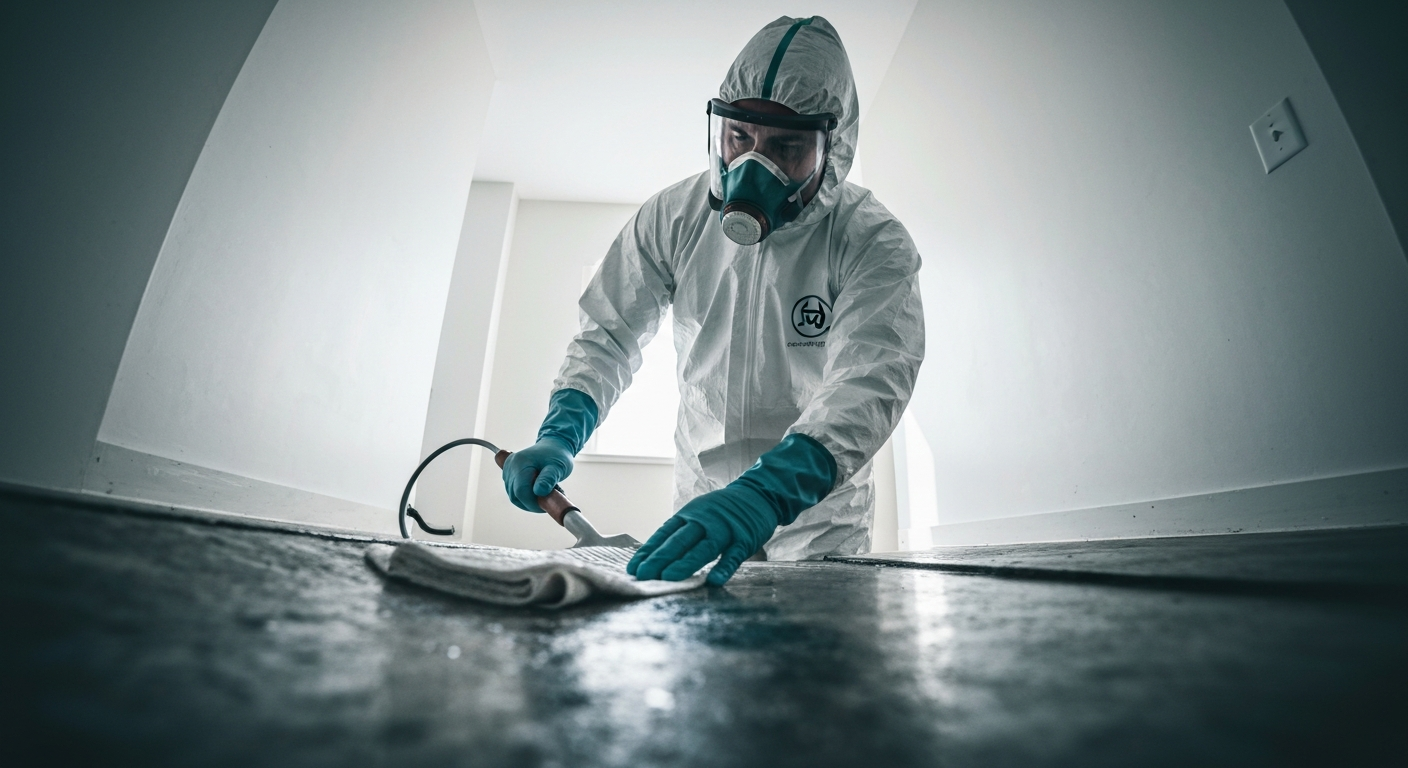
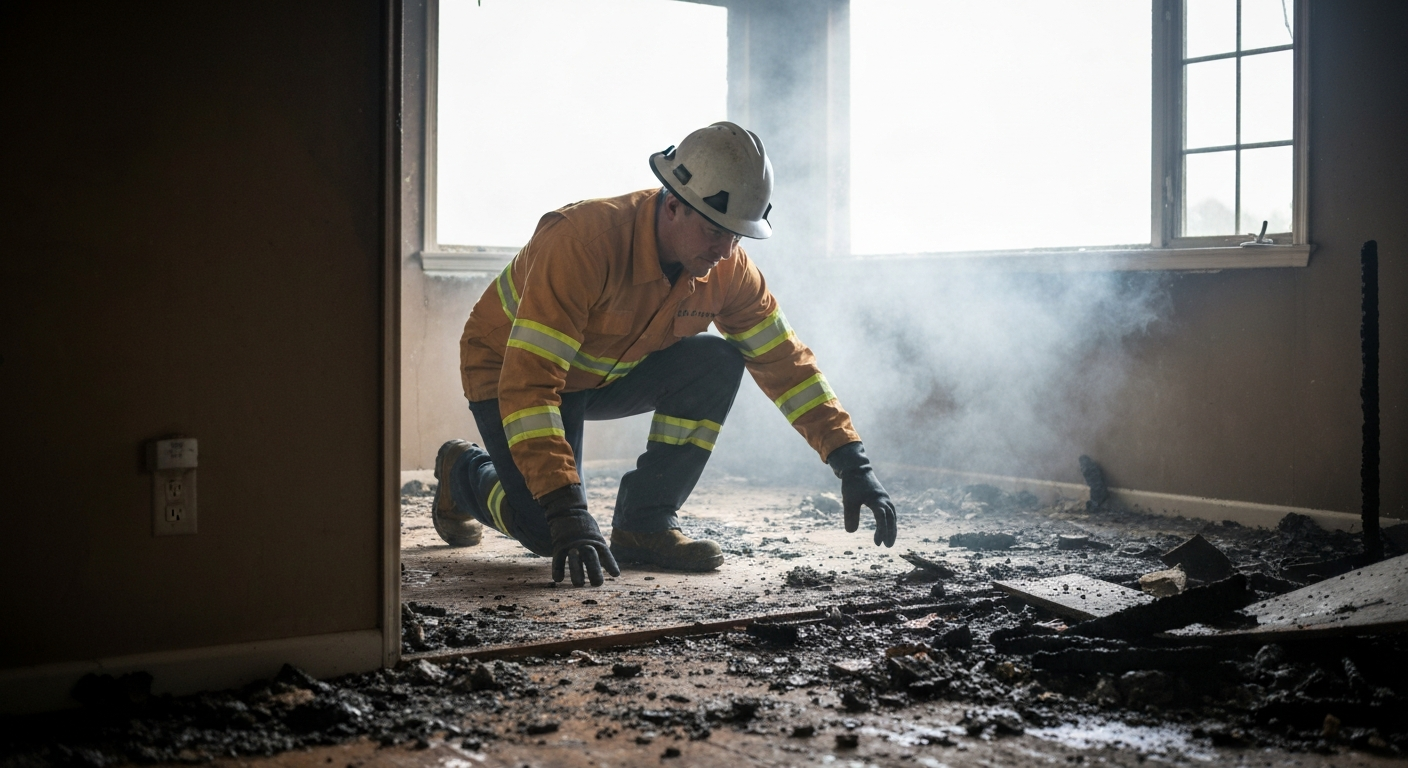
Never re-enter a fire-damaged home until the fire marshal has explicitly declared it safe. Structural integrity may be severely compromised. Ceilings can collapse without warning, and the air quality is highly toxic, containing carcinogenic particulates that require professional-grade respirators and PPE.
1. Secure the Property Immediately
After a fire, your property is highly vulnerable. Windows are often shattered from the heat, doors may have been broken down by firefighters, and the roof may be compromised. Your first step, even before calling your insurance company, is to secure the structure.
Professional emergency board-up and roof tarping services are essential. They protect your home from further weather damage (like rain destroying the interior) and secure the premises against unauthorized entry, vandalism, and liability issues. Most insurance policies actually require you to take reasonable steps to prevent further damage.
2. Address Water Damage First
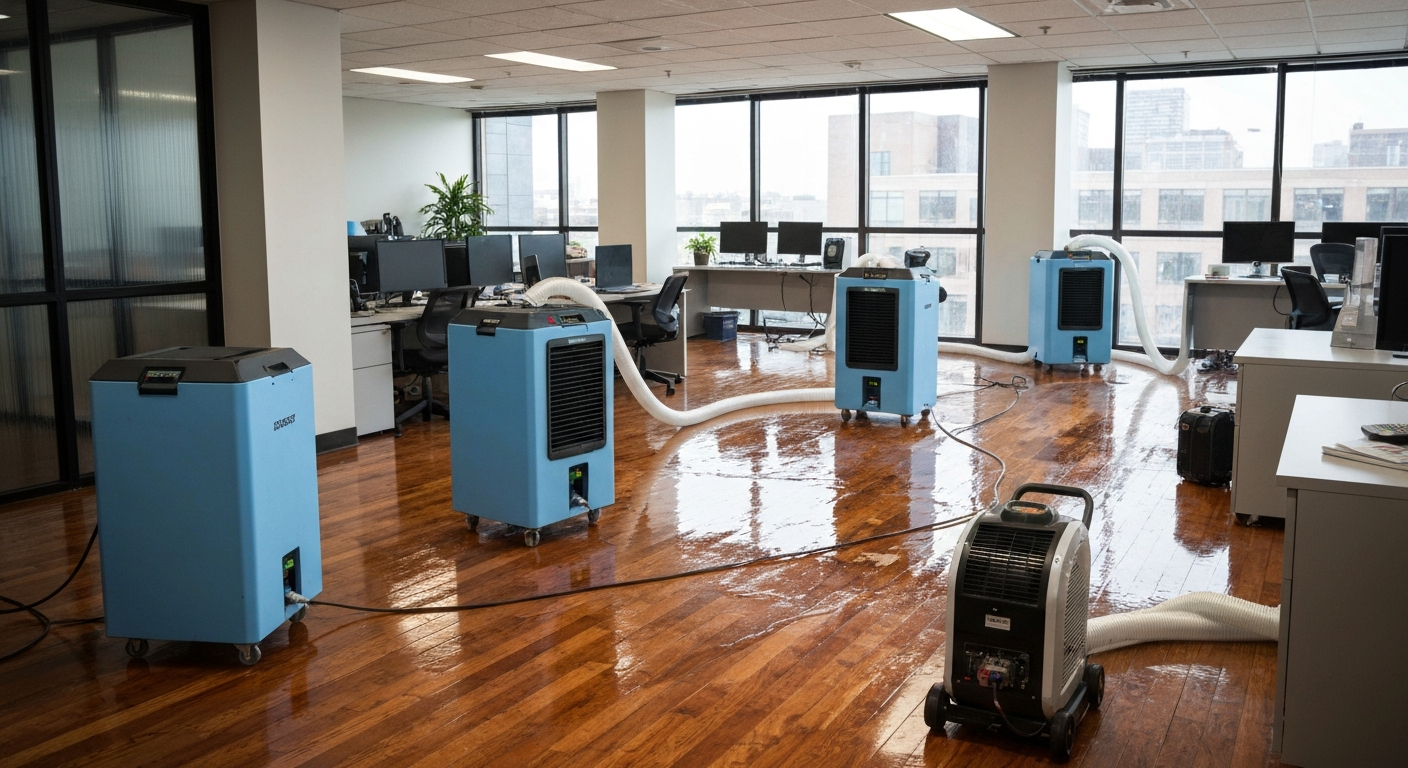
It sounds counterintuitive, but fire damage almost always involves catastrophic water damage. Fire hoses pump thousands of gallons of water into the home. If left untreated, this standing water will destroy whatever the fire didn't.
This water must be extracted and the structure dried immediately to prevent mold growth, which can start within 24 to 48 hours. The combination of heat from the fire and standing water creates a perfect incubator for toxic mold. Professional water extraction is the critical first phase of fire restoration.
3. Navigating the Insurance Claim
Dealing with insurance adjusters is often the most stressful part for homeowners. You need to file a claim quickly, but you also need highly accurate, detailed estimates for the full scope of work.
Rescue Solutions Services works directly with your insurance company. We document every detail of the fire, smoke, and water damage using specialized software (like Xactimate) that insurance companies prefer. Do not throw anything away—even completely ruined items—until the adjuster has seen them and they have been documented for your contents claim.
4. The Danger of DIY Soot Cleanup
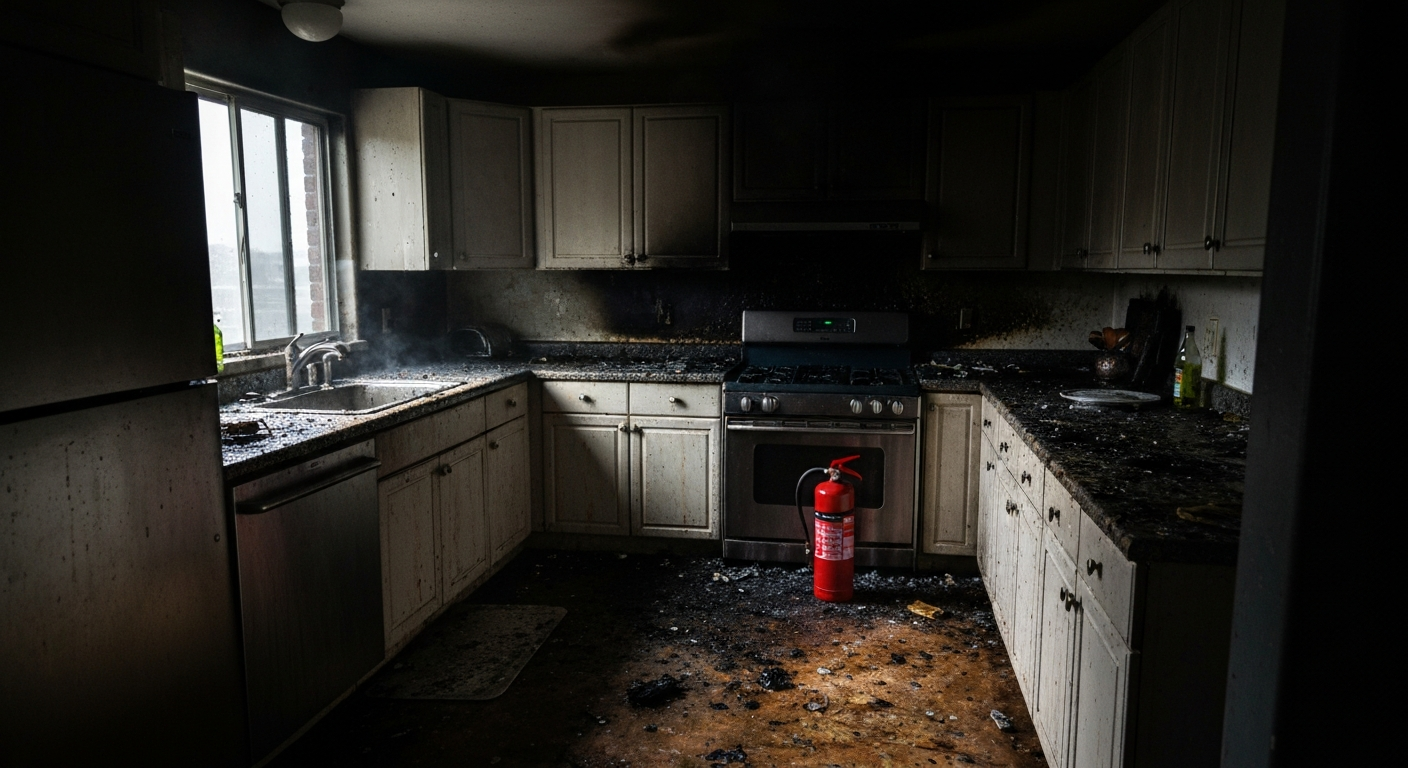
Soot is highly acidic and corrosive. If left on surfaces, it will permanently etch glass, tarnish metals, and yellow plastics within days. However, you should never try to clean soot yourself.
Wiping soot with a wet cloth or standard household cleaners will simply smear the greasy residue and push the microscopic particles deeper into the pores of drywall, paint, and upholstery, making it impossible to restore. Professional restorers use specialized dry chemical sponges and alkaline cleaning agents to lift soot safely without smearing.
5. Professional Smoke Odor Removal
Smoke odors cannot be covered up with air fresheners. The microscopic smoke particles penetrate deep into building materials, carpet padding, and HVAC ductwork. On warm days, the pores of the wood expand and release the trapped odor, meaning your house will smell like a campfire months later if not treated properly.
Professional fire damage restoration involves neutralizing odors at the molecular level. We utilize advanced technology such as:
- Thermal Fogging: Recreates the behavior of smoke, sending a deodorizing chemical into the exact same microscopic crevices the smoke penetrated.
- Ozone Generators: Produces ozone gas that oxidizes and destroys odor molecules.
- Hydroxyl Generators: Safe for use around humans and pets, these machines use UV light to clean the air and eliminate volatile organic compounds (VOCs).
6. The Pack-Out Process
To properly clean the structure, your belongings often need to be moved off-site. A professional "Pack-Out" involves carefully inventorying, packing, and transporting your salvageable belongings to a secure, climate-controlled facility. There, items are meticulously cleaned, deodorized, and stored until your home is fully rebuilt and ready for them to return.