When a pipe bursts, a water heater fails, or a severe storm causes flooding, the clock starts ticking immediately. The first 60 minutes are the most critical for preventing long-term structural issues and hazardous mold growth in your San Diego home. Knowing exactly what to do—and what not to do—can save you thousands of dollars in restoration costs and salvage precious family belongings.
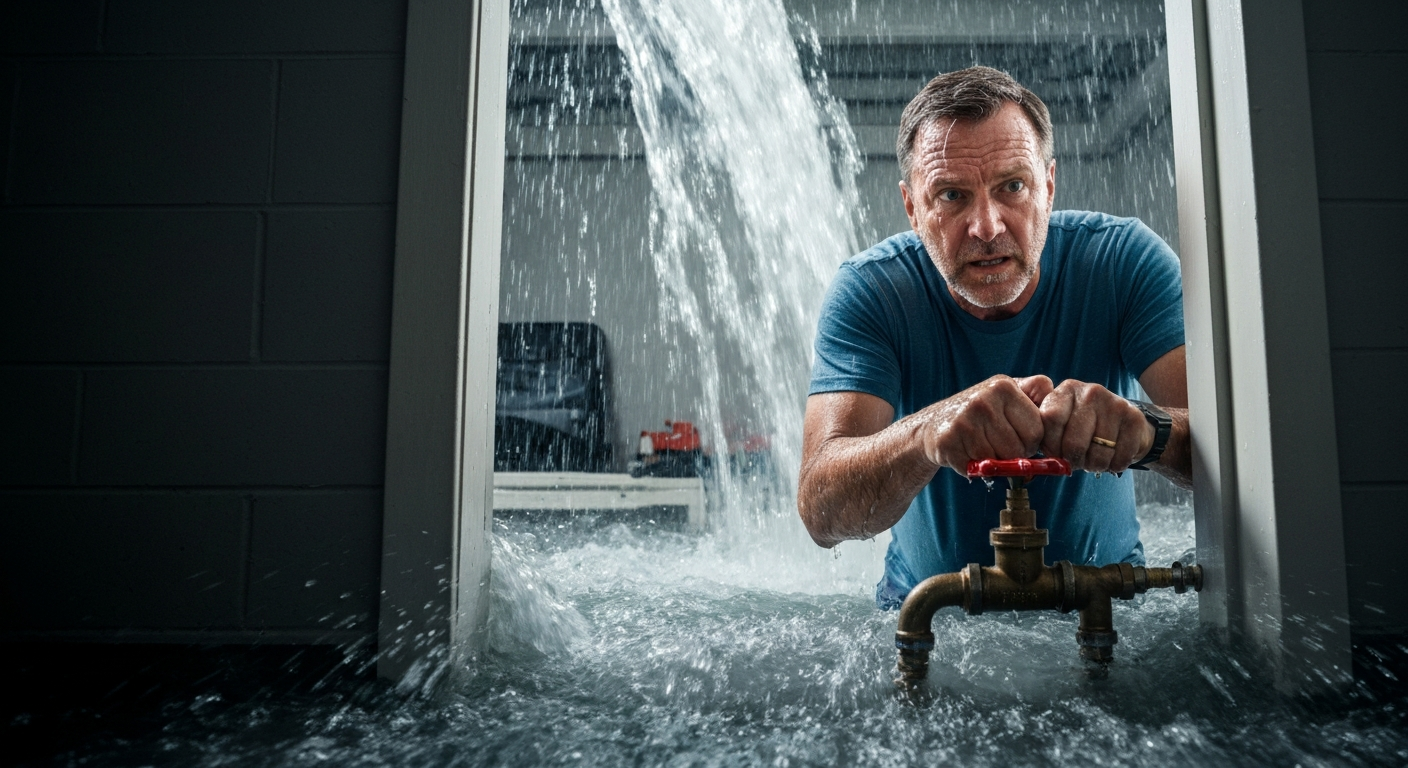
1. Safety First: Turn Off the Power
Water and electricity are a deadly combination. Before entering any room with standing water, your absolute first priority must be safety. If the water has reached electrical outlets, baseboard heaters, or if you see submerged appliances with their cords still plugged in, do not enter the room.
Navigate to your home's main circuit breaker panel and turn off the power to the affected area—or the entire house if you cannot isolate the flooded zone. If the path to the breaker box is wet, wait for professional help. Never prioritize property over personal safety.
2. Stop the Source of Water
If the flooding is caused by a plumbing failure, such as a burst pipe or a broken washing machine hose, locate the main water shut-off valve and turn it off immediately. Every homeowner should know exactly where this valve is located before an emergency happens. It is typically found near the water meter, in the garage, or on the exterior of the house.
If the water is entering from an external source, such as heavy rain or a flash flood, try to block entry points with sandbags or barriers if you can do so safely. However, if water levels are rising rapidly, evacuate the premises.
3. Call the Professionals Immediately
Time is your biggest enemy when dealing with water damage. Water quickly seeps into drywall, flooring, and structural framing. Within minutes, moisture begins to break down materials. Within 24 to 48 hours, toxic black mold can begin to colonize.
Call Rescue Solutions Services at (619) 304-6668. We provide 24/7 emergency water damage restoration across Chula Vista and Greater San Diego with a response time of under 60 minutes.
4. Document Everything for Insurance
Before you start cleaning, extracting water, or moving damaged items, take comprehensive photos and videos of the standing water and the damage it has caused. Capture wide shots of the room and close-ups of ruined furniture, electronics, and structural damage.
This documentation is essential for your insurance claim. Insurance adjusters need to see the extent of the damage exactly as it occurred. At Rescue Solutions Services, we offer direct insurance claims assistance to help you through this step, ensuring you receive the maximum coverage you are entitled to.
5. Remove High-Value Items and Furniture
If it is safe to enter the area, begin moving high-value items out of the water's path. Focus on:
- Important documents, passports, and photographs
- Small electronics, laptops, and tablets
- Family heirlooms and irreplaceable items
For heavy furniture that cannot be moved, place aluminum foil or plastic wrap under the legs. This prevents wood stains from bleeding into wet carpets—a common issue that can permanently ruin flooring. Avoid walking on wet carpets more than absolutely necessary, as foot traffic forces water deeper into the padding and subfloor.
6. What NOT to Do
In a panic, homeowners often make mistakes that worsen the situation or put themselves in danger. Please adhere to these strict rules:
- Never use a standard household vacuum to remove water. This is a severe electrocution hazard and will destroy your appliance. Only use specialized wet/dry vacuums.
- Do not use ceiling fixtures if the ceiling is wet, sagging, or if water is dripping from it. The wiring is compromised.
- Do not turn on the HVAC system if it has been flooded, as this can spread contaminated water or mold spores throughout the entire house.
- Do not leave wet fabrics in place. Remove wet rugs, cushions, and curtains to a dry area to prevent color bleeding and mold.
Why Professional Extraction is Vital
"Homeowners often think a shop-vac and a few box fans are enough. They aren't. Professional-grade extraction and desiccant dehumidification are required to remove moisture from deep within building materials. Leaving even 15% moisture content behind is enough to trigger a massive mold colony within 48 hours." — Xavier, IICRC Certified Master Restorer
The Next Steps: Professional Mitigation
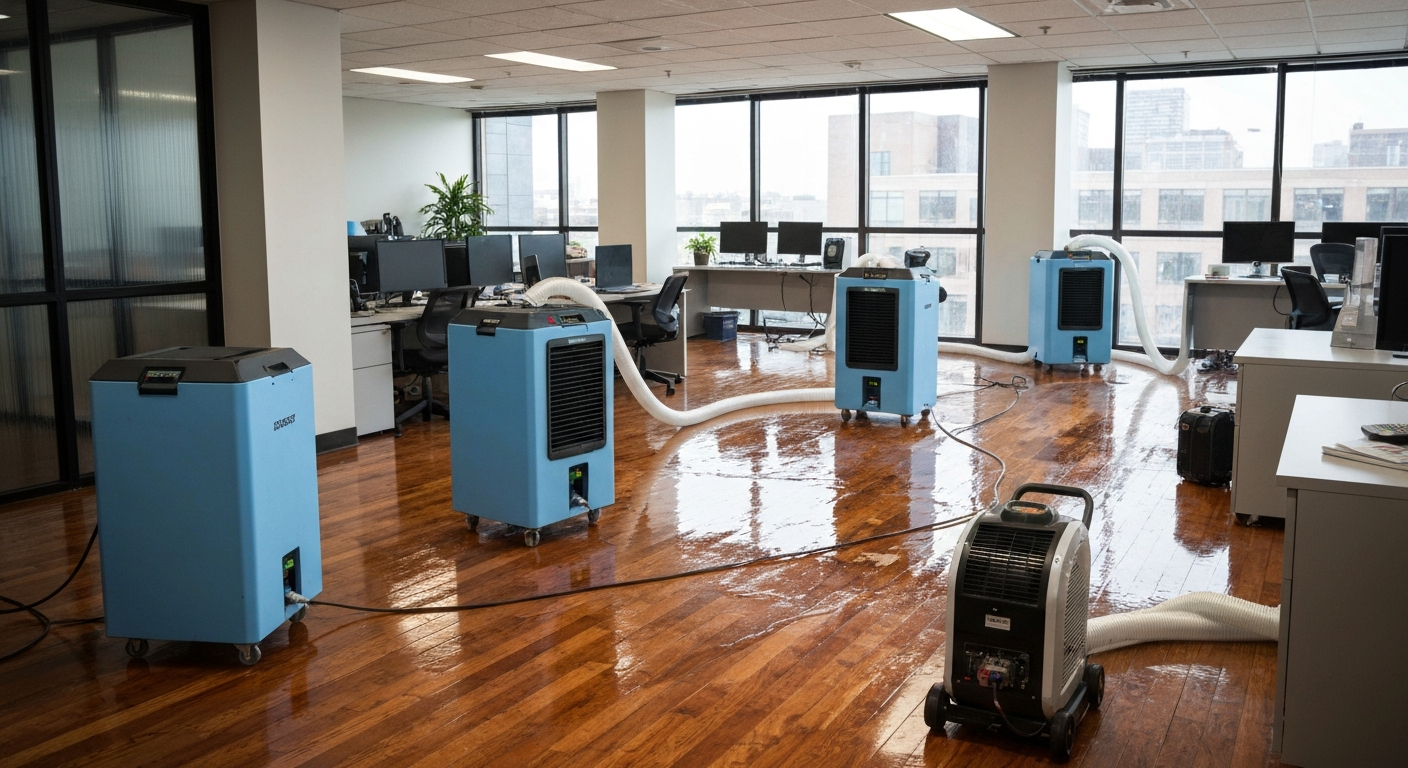
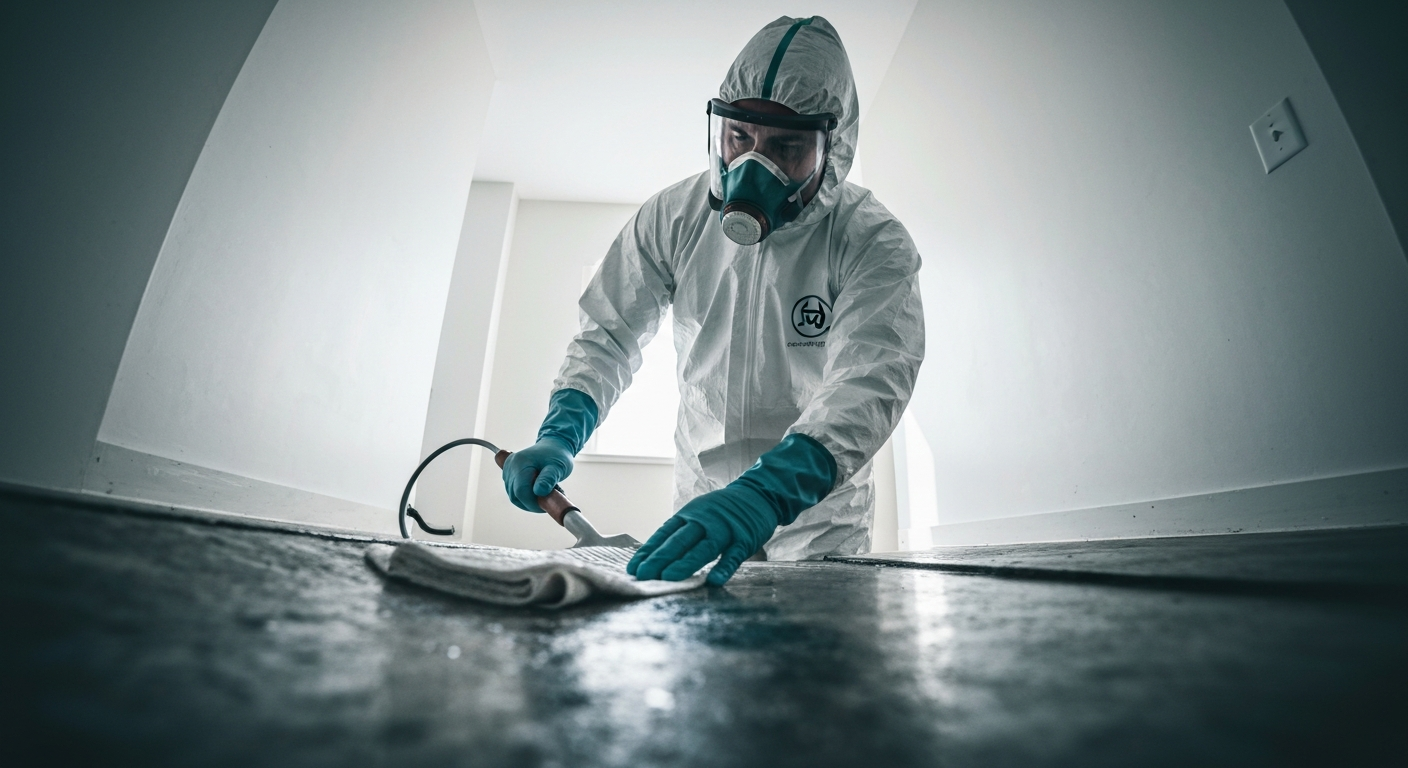
Once our rapid response team arrives, we take over the heavy lifting. We utilize advanced thermal imaging cameras to locate hidden moisture pockets behind walls and under floors. We then deploy industrial-grade water extractors, air movers, and dehumidifiers to rapidly dry the structure, applying antimicrobial treatments to ensure your home is safe, dry, and fully restored.