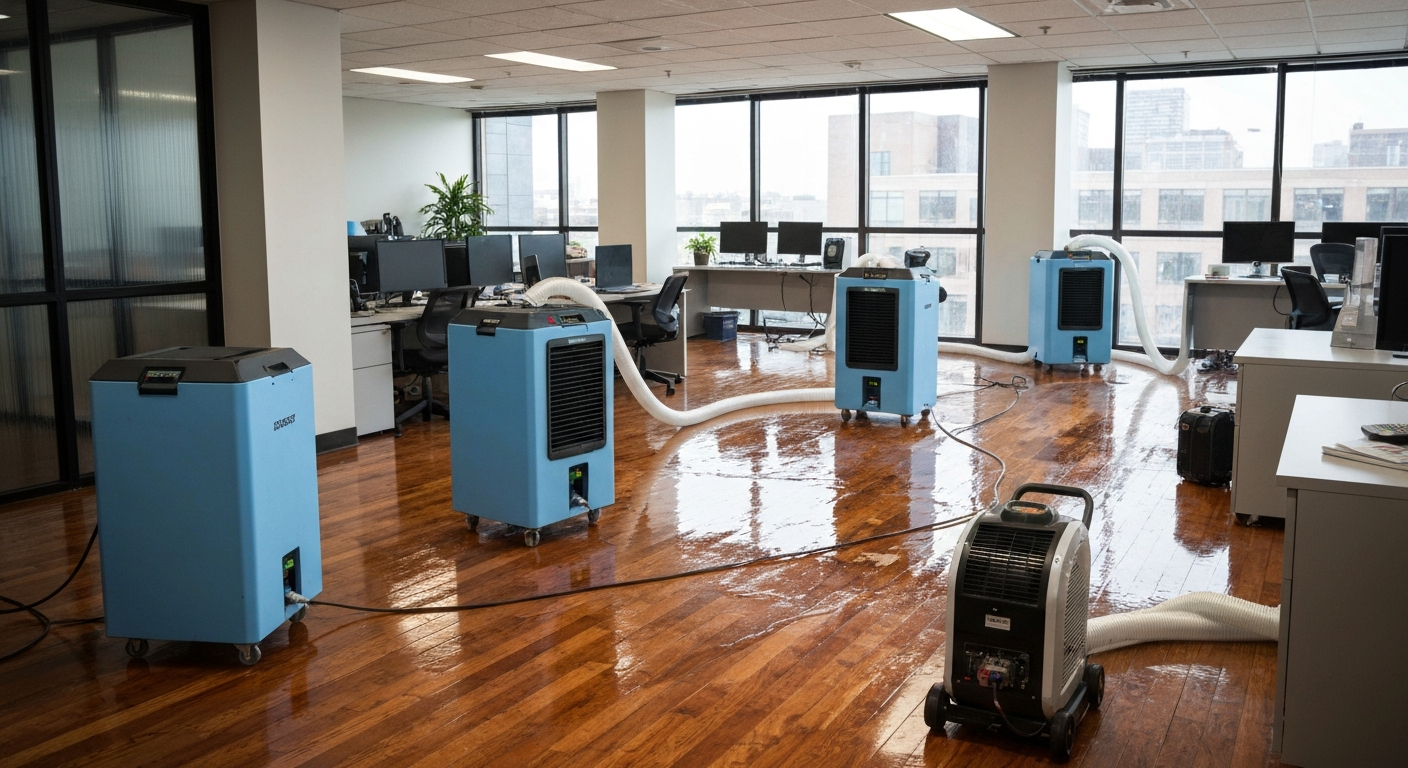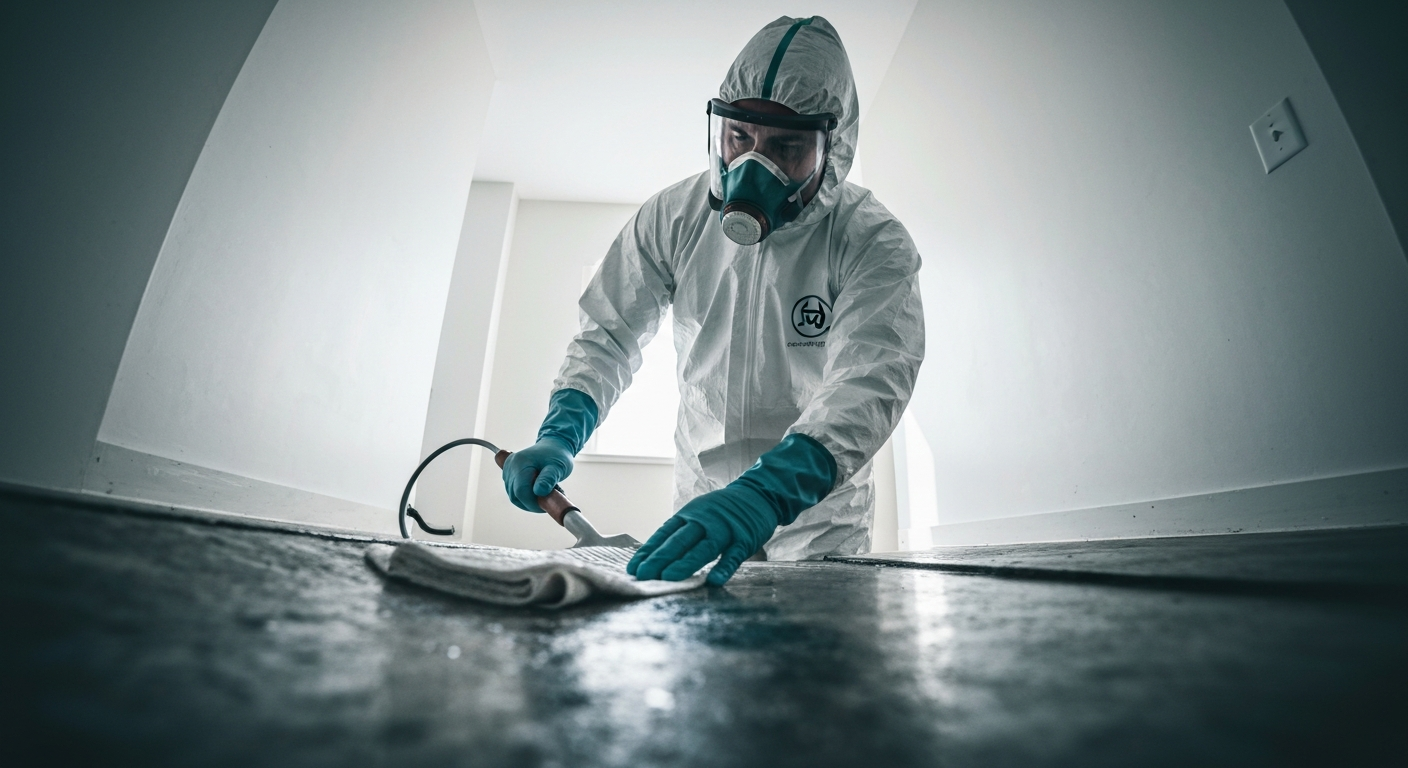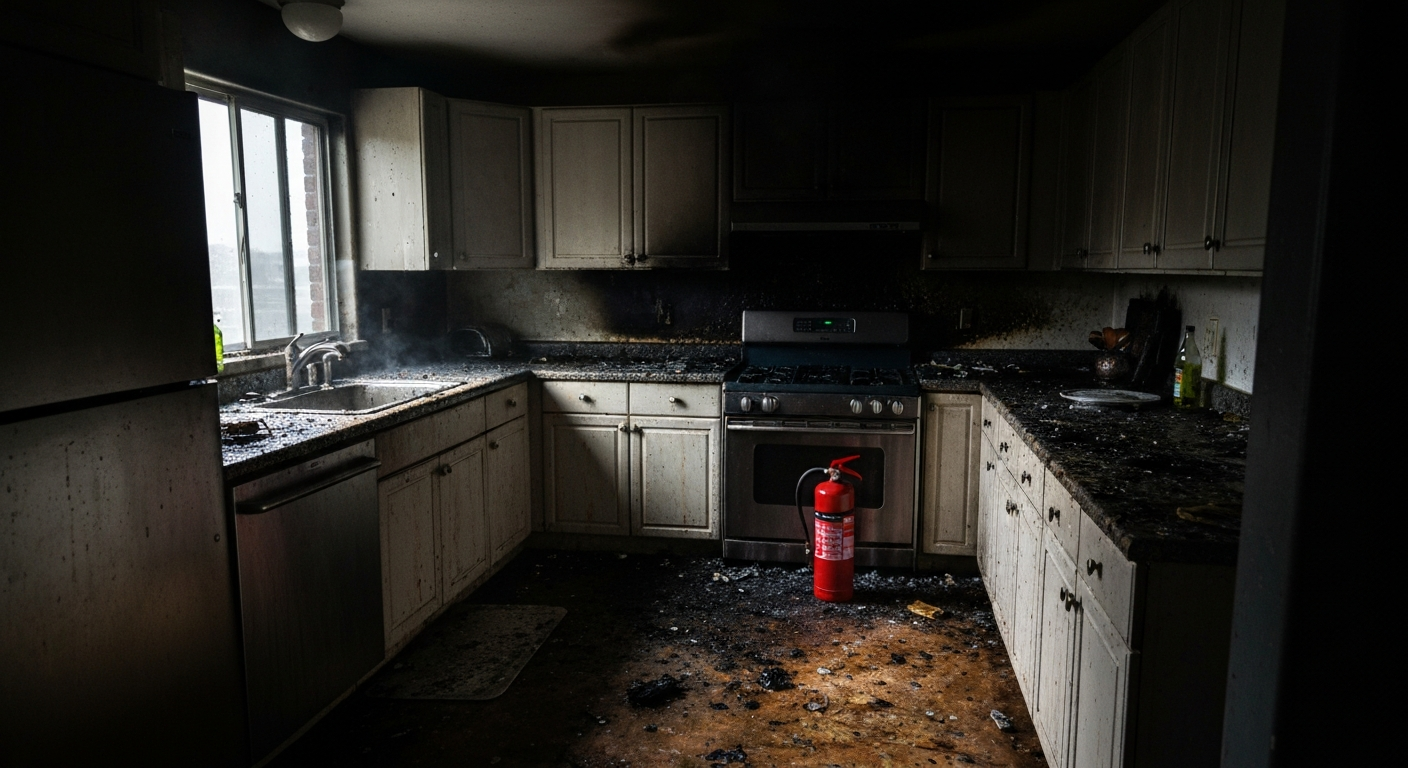
Many homeowners attempt to dry out water damage using box fans and a small dehumidifier from the hardware store. Unfortunately, this almost always leads to massive mold outbreaks. Here's why professional equipment is required.
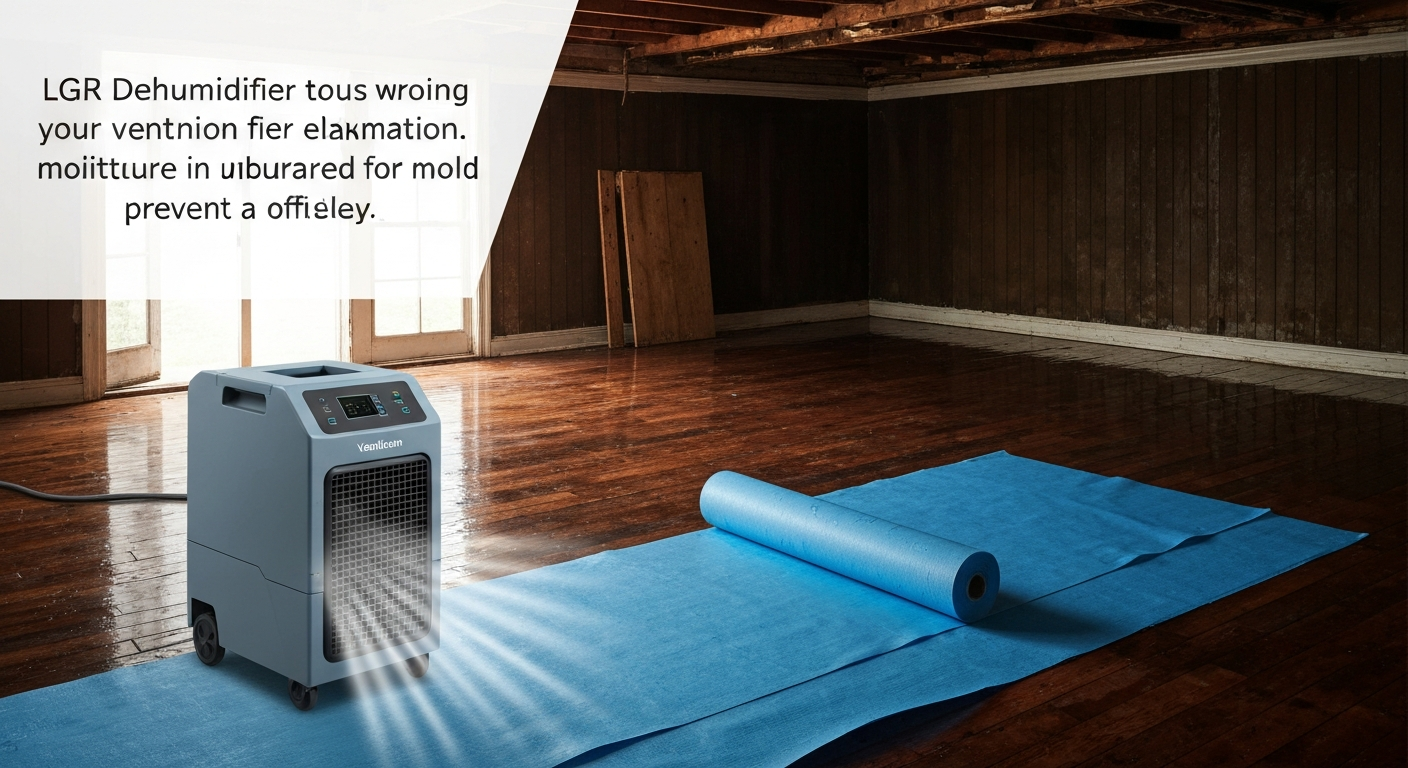
The Concept of Grain Depression
To pull moisture out of dense materials like drywall and framing studs, the air must be incredibly dry. Commercial Low Grain Refrigerant (LGR) dehumidifiers can reduce the humidity in a room to near zero, creating a "thirsty" environment that forcefully evaporates trapped water. Standard residential units simply cannot achieve this level of grain depression, leaving moisture trapped inside the walls.
Air Movers vs. Dehumidifiers
Drying a structure requires a delicate balance of two forces:
- Air Movers: High-velocity fans that strip the boundary layer of moisture off wet surfaces, pushing water vapor into the air.
- Dehumidifiers: Machines that capture that airborne moisture and pump it out of the house.
If you use air movers without powerful dehumidifiers, you are simply blowing wet air around your house, which will cause secondary mold growth on previously dry walls and ceilings. Conversely, using dehumidifiers without air movers will dry the air, but won't pull the water out of the materials.
Desiccant vs. LGR Technology
Professional restoration companies utilize different types of dehumidifiers based on the specific psychrometric conditions of the loss:
- LGR (Low Grain Refrigerant): Uses specialized cooling coils to condense water out of the air. Perfect for standard residential drying and warm environments.
- Desiccant: Uses silica gel to chemically absorb moisture. We deploy Desiccants for incredibly dense materials like hardwood floors or concrete, or in extremely cold environments where traditional refrigeration coils would freeze over.
The 48-Hour Rule
"Mold can begin growing on wet drywall in as little as 48 hours. If you aren't removing gallons of water from the air per day using commercial equipment, you are losing the race against mold. Time is your biggest enemy." — Xavier