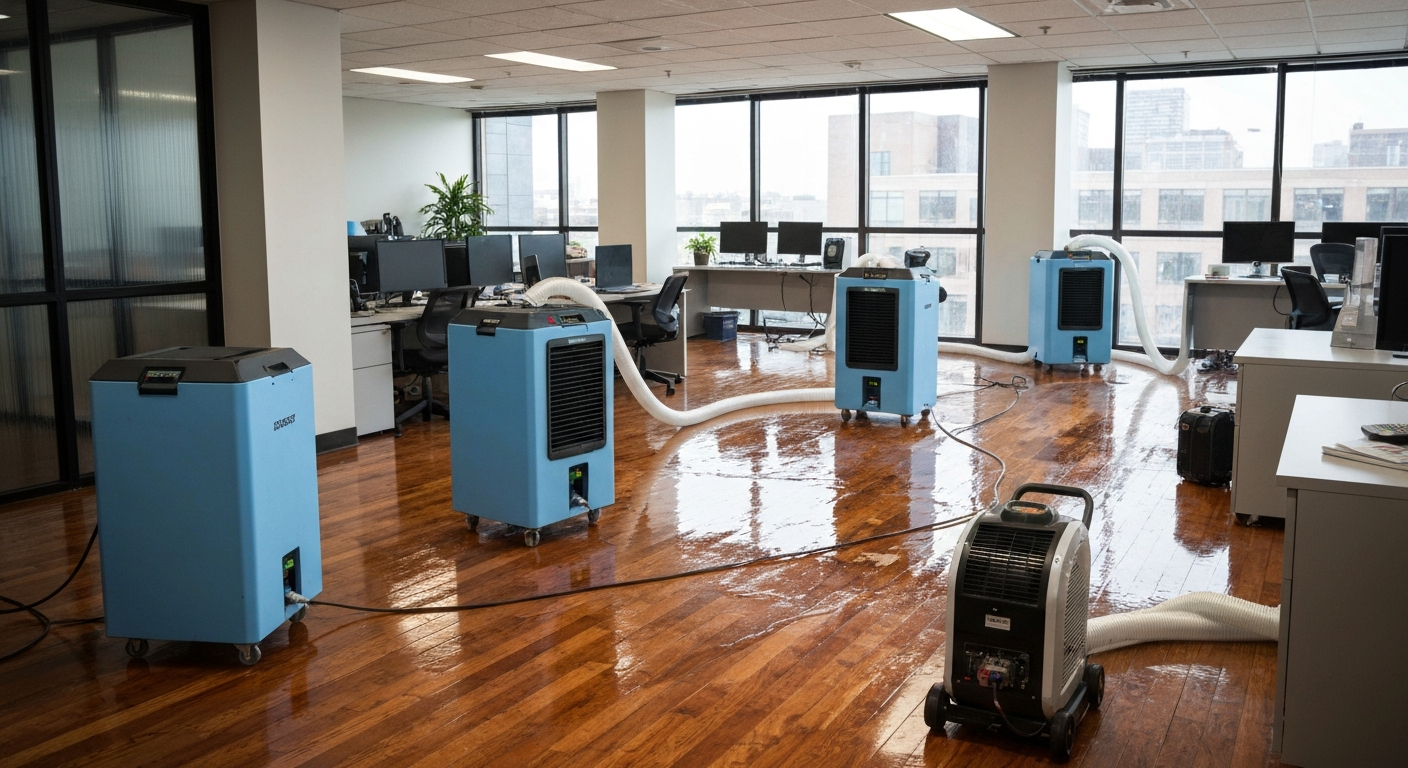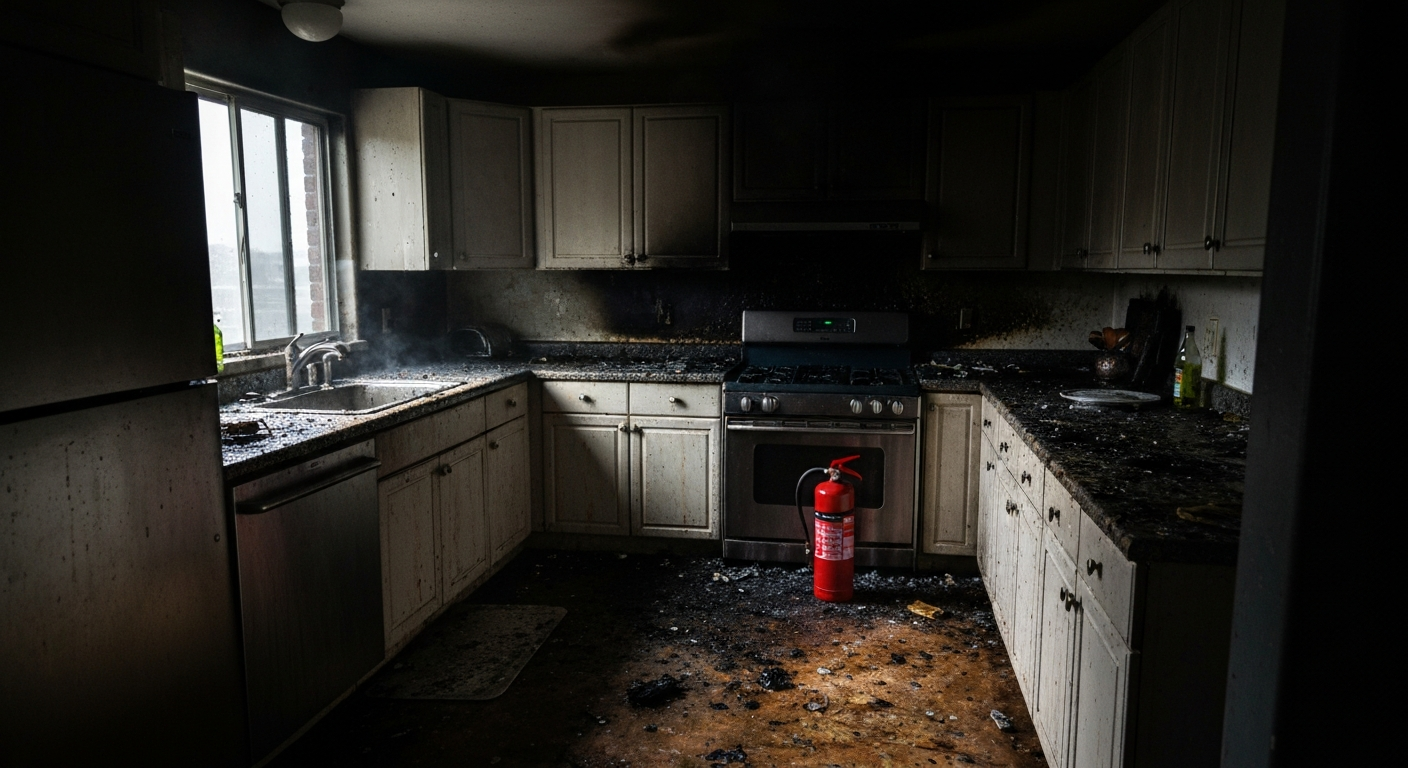
You've extracted the water, remediated the mold, or scrubbed the soot from the walls. Your home looks clean, but every time the AC kicks on, you smell a faint odor or start coughing. The culprit? Your HVAC system.
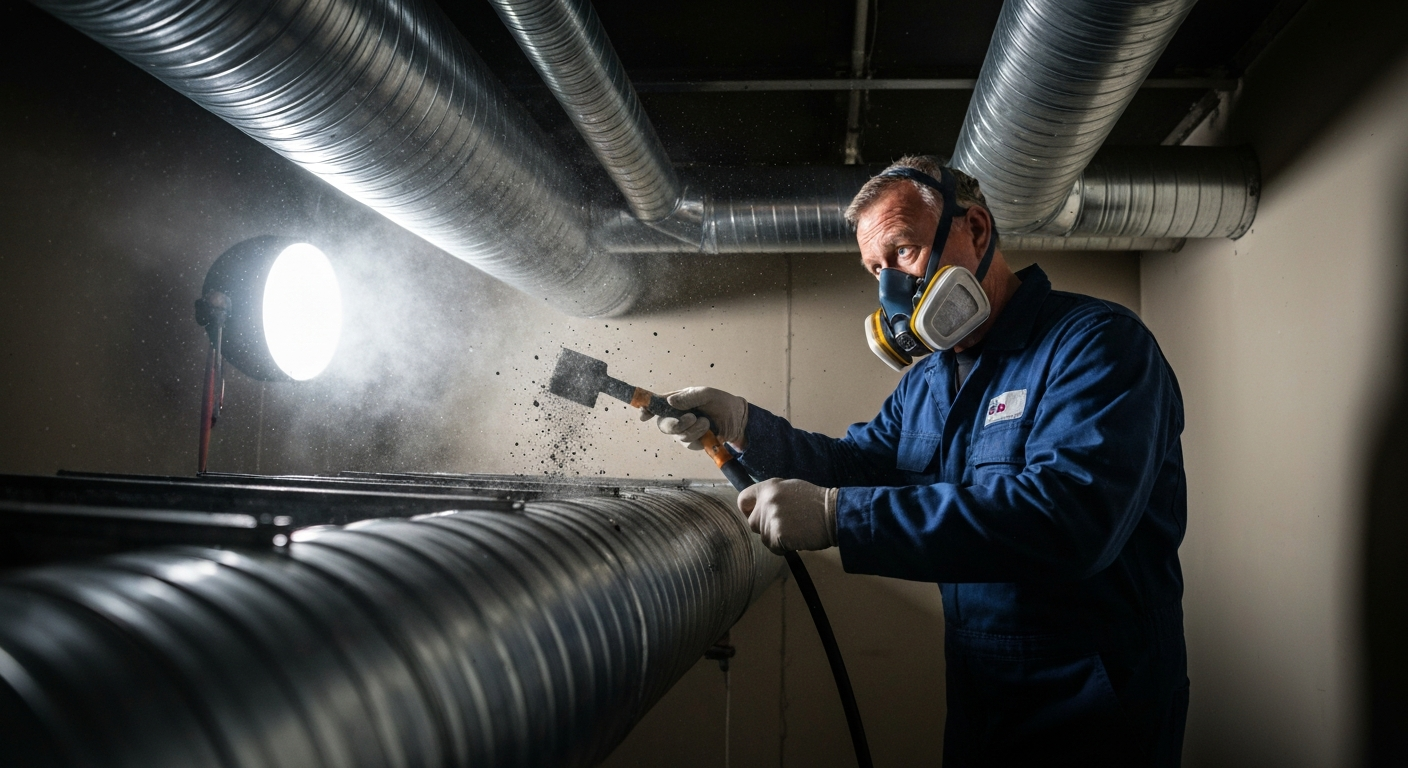
The Lungs of Your Home
Your HVAC system circulates all the air in your home multiple times a day. During a fire, the system pulls in thick, toxic smoke and soot, coating the inside of your ductwork. During a water damage event, high humidity gets trapped in the dark ducts, creating the perfect breeding ground for mold spores.
The Cross-Contamination Risk
If you remediate mold in the living room but fail to clean the air ducts, the moment you turn on the heater, the system will blow trapped mold spores right back into the freshly cleaned space. This cross-contamination guarantees the mold will return, wasting all the money spent on the initial remediation.
Professional Negative Air Cleaning
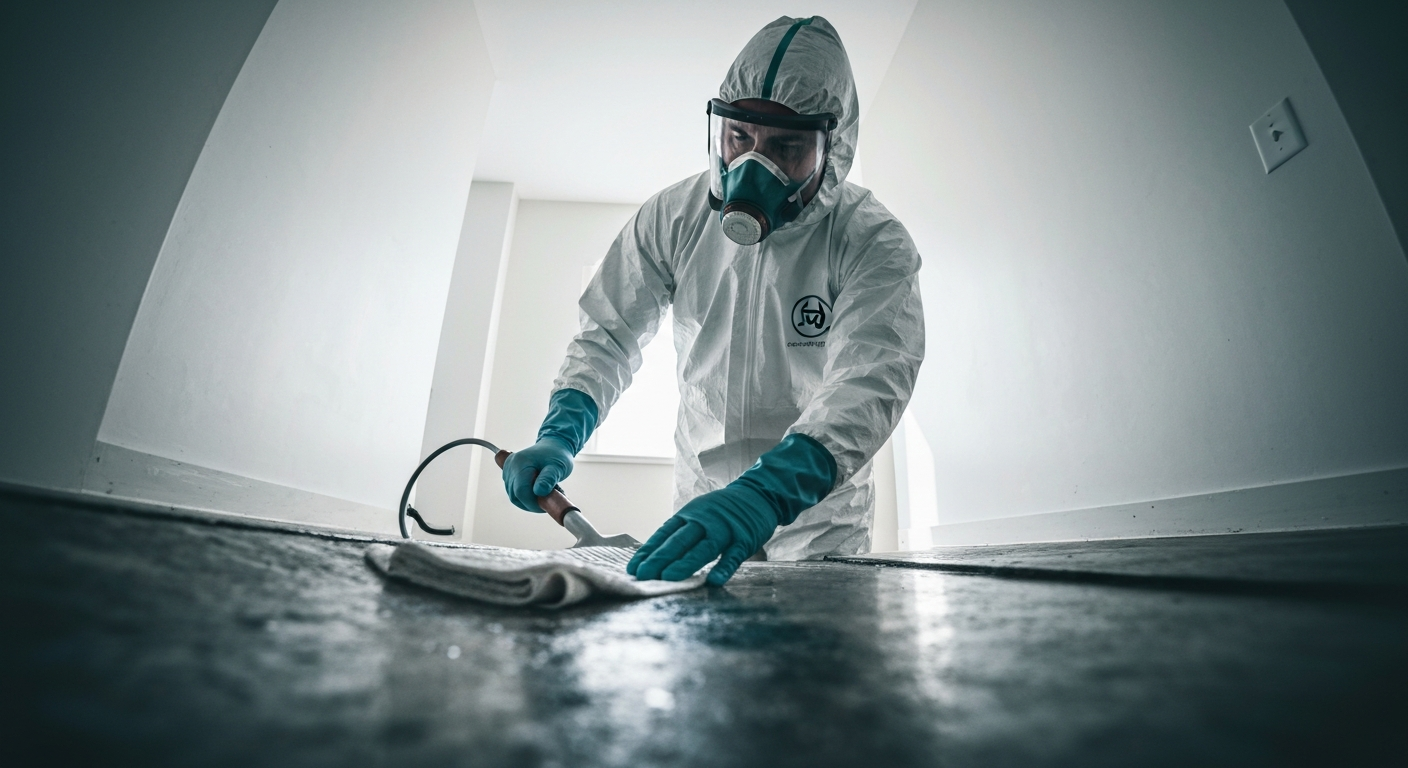
True post-disaster duct cleaning isn't just vacuuming the vents. Professionals seal the entire system and hook it up to a massive negative air machine equipped with HEPA filters. While the system is under negative pressure, technicians use specialized rotary brushes and air whips to knock debris loose deep within the ducts, which is instantly sucked outside.
Don't Forget the Coils
"Cleaning the ducts is only half the job. The evaporator coils inside your air handler act like a giant, wet filter. If they aren't chemically cleaned after a fire or mold event, they will restrict airflow, burn out your compressor, and continue to spread odors." — Xavier