Filing a property damage claim can be incredibly stressful, especially when you're already dealing with a flooded home. Understanding how insurance companies evaluate claims can make the difference between a full payout and a denied claim.
Sudden vs. Gradual Damage
The most critical distinction your insurance adjuster will make is whether the damage was sudden and accidental or gradual and preventable. Most standard homeowner's policies cover sudden damage (like a burst pipe or a washing machine hose rupturing). They rarely cover gradual damage caused by a lack of maintenance (like a slow roof leak you ignored for months).
Your Duty to Mitigate Damage
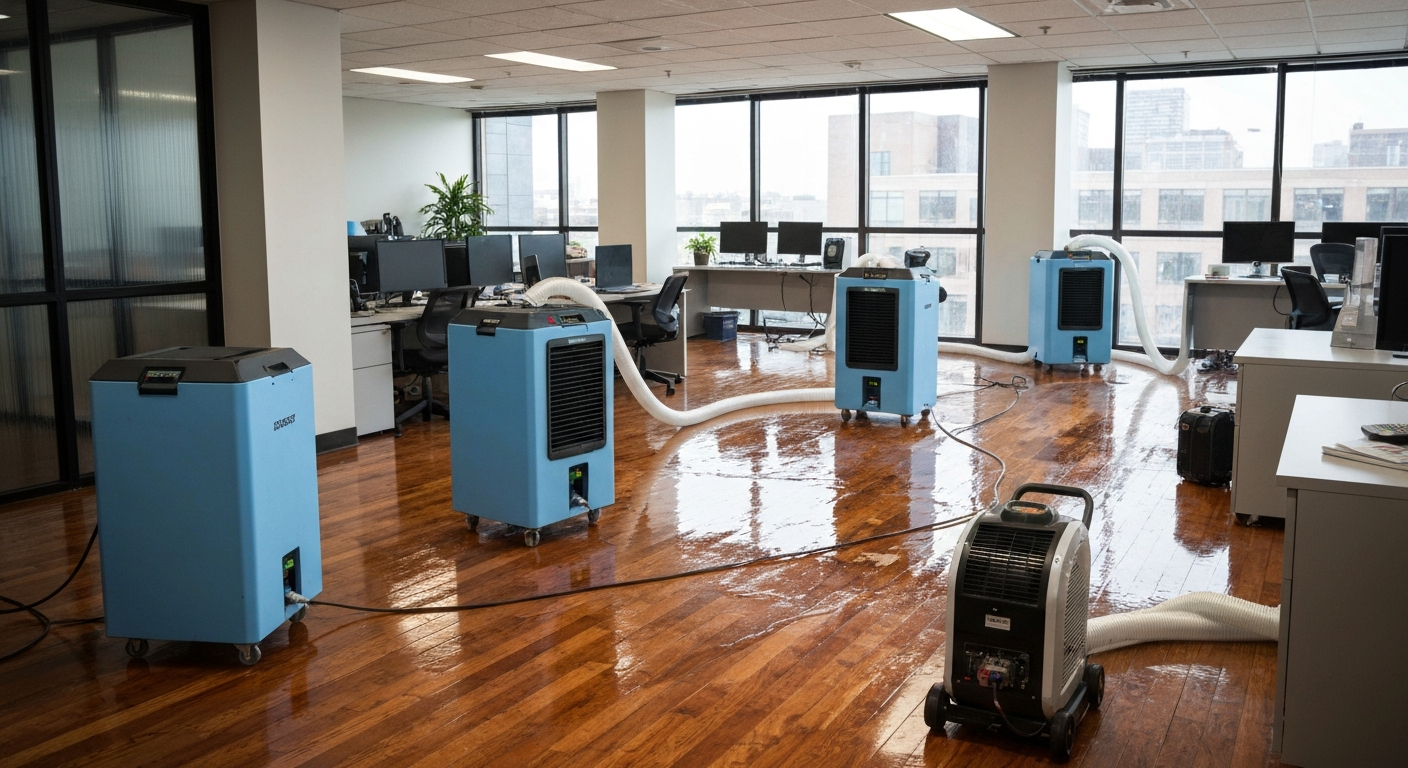
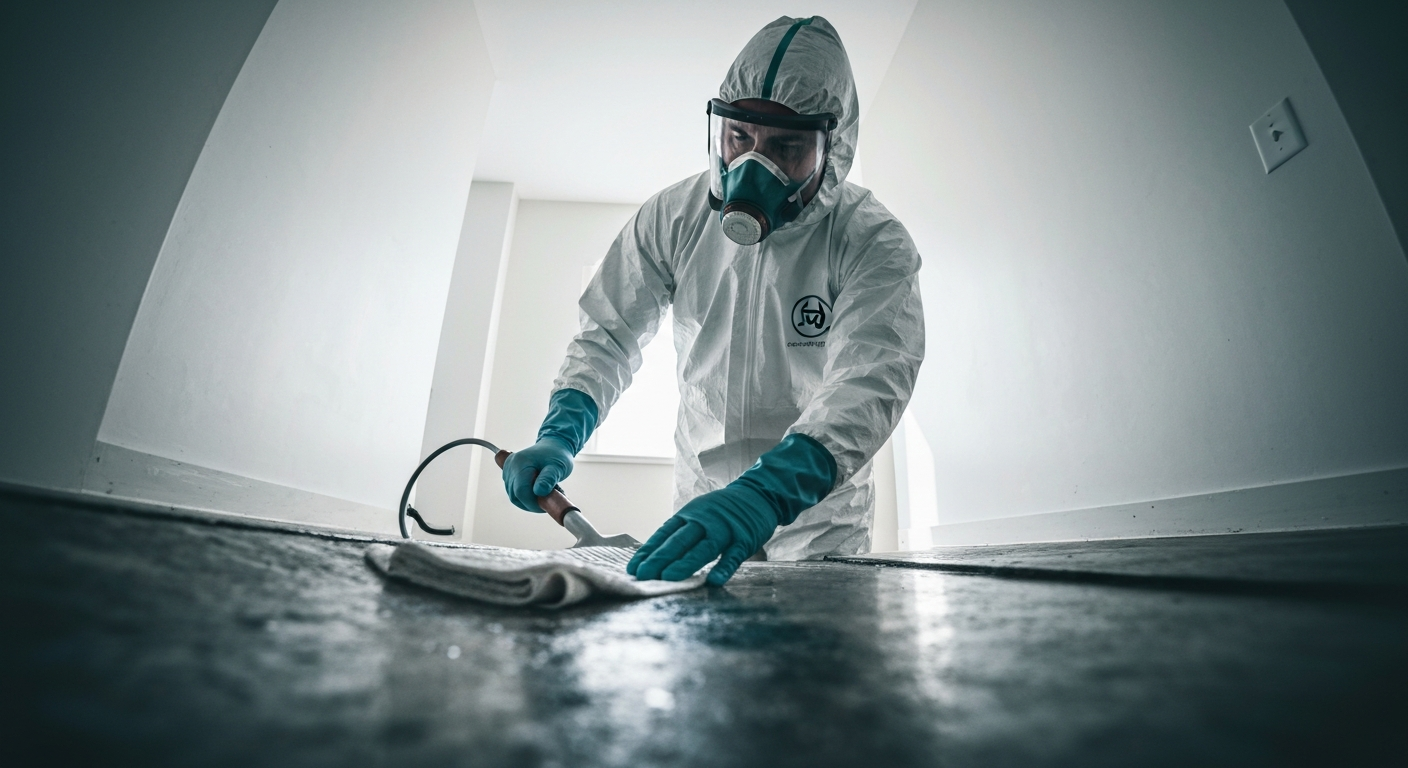
Every insurance policy includes a clause requiring the homeowner to "mitigate further damage." This means you cannot just leave the water sitting there while you wait for an adjuster. You are legally required to stop the leak and begin the drying process immediately. Hiring a professional water damage restoration company fulfills this requirement and protects your claim.
Document Everything
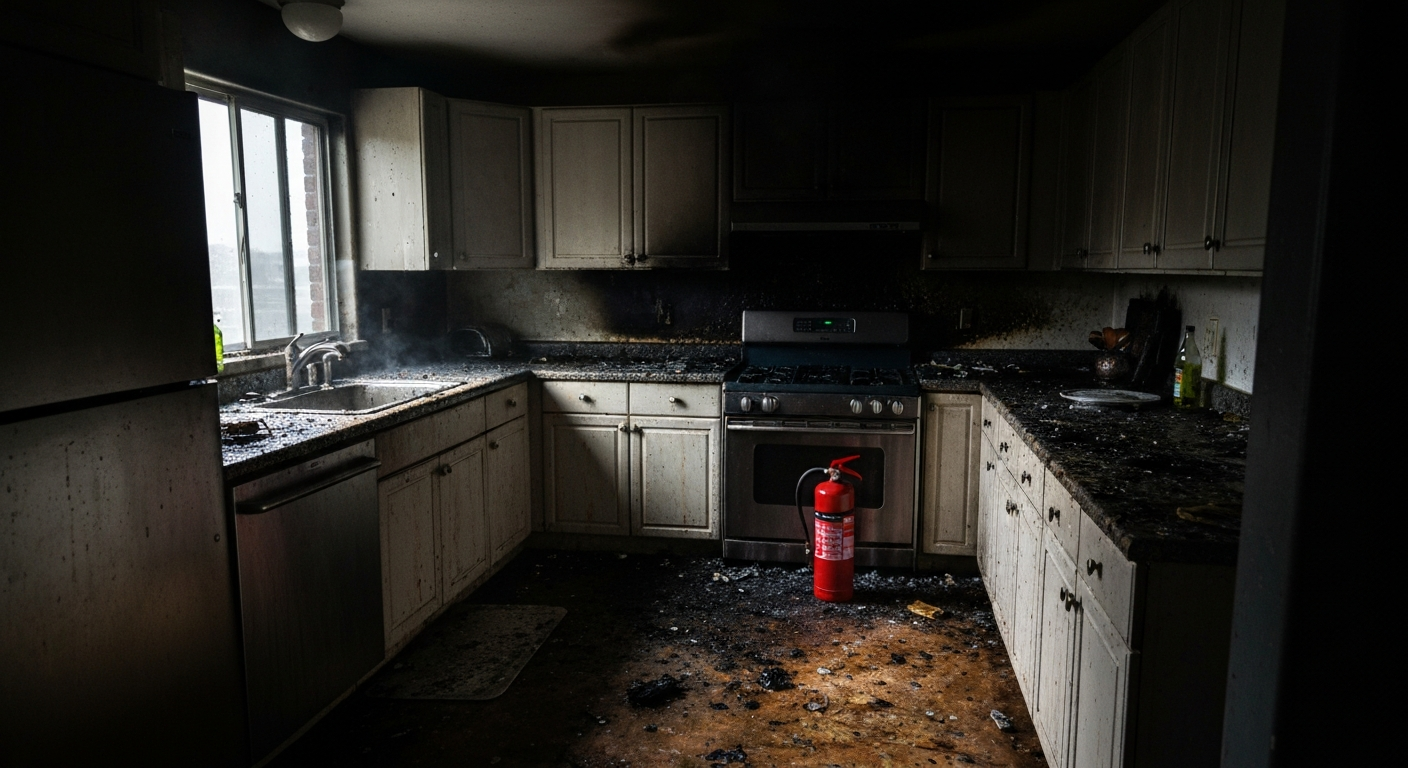
Before you throw anything away, document it. Take hundreds of photos and videos. Capture the source of the water, the standing water, the damaged belongings, and the structural damage. Keep a detailed inventory of destroyed items, including their approximate age and original cost.
Why You Need a Professional Estimate
Insurance adjusters work for the insurance company; their goal is to minimize the payout. At Rescue Solutions Services, we use the exact same estimating software (Xactimate) that the insurance companies use. When we submit an estimate, it speaks their language, ensuring every baseboard, every square foot of drywall, and every hour of labor is accurately accounted for and billed.
The Golden Rules of Insurance Claims
- • Never say "flood" unless it's a natural disaster. Say "water damage" or "burst pipe." Standard policies do not cover natural floods.
- • Do not throw away the broken part. Keep the burst pipe or failed valve; the insurance company will want to inspect it.
- • Call a restoration company first. We can often advise you on coverage before you even file the claim.