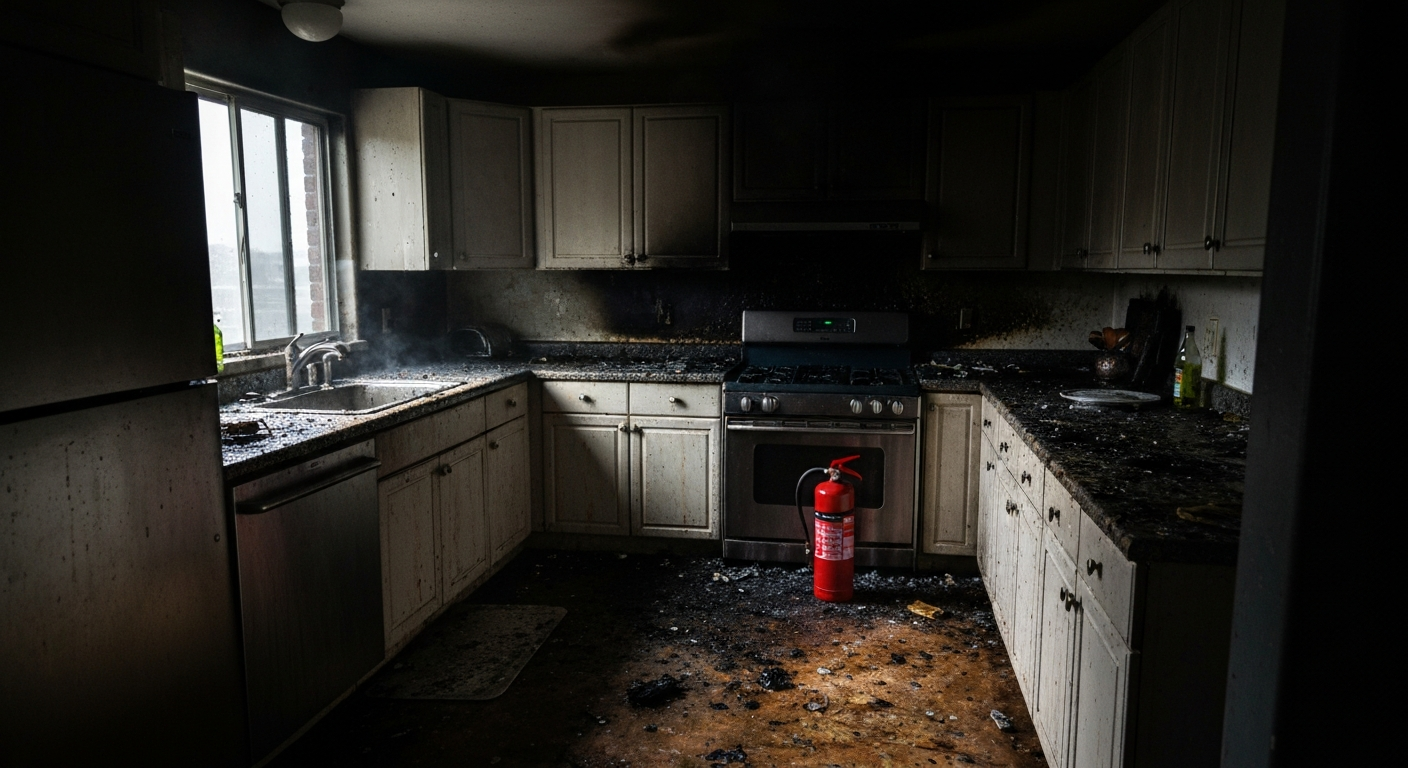
If your home was built before 1980, a simple water leak can turn into a hazardous materials emergency. When drywall, flooring, or ceilings are damaged by water, they may release dangerous asbestos fibers into the air.
Why Testing is Legally Mandatory
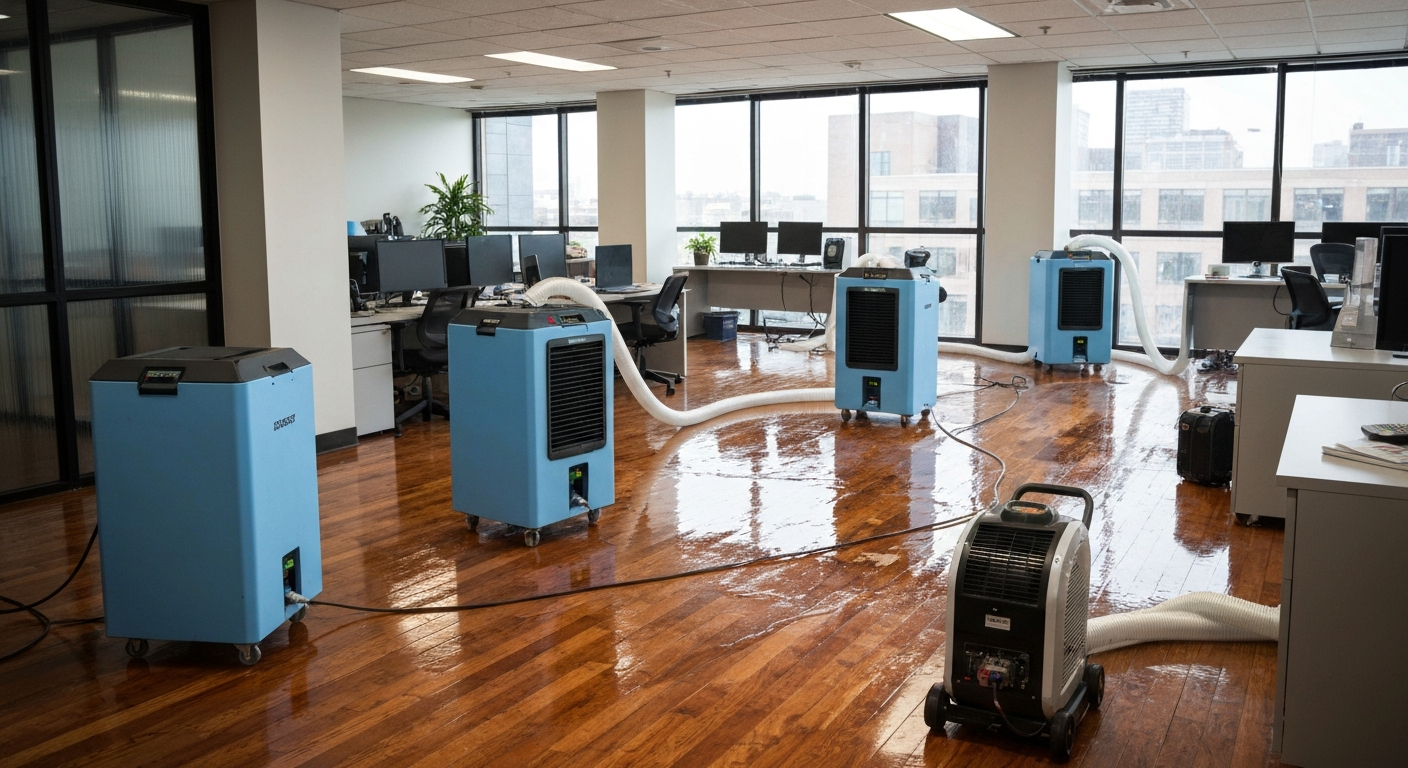
Before any demolition or drying equipment is placed in an older home, proper testing must be conducted. High-velocity air movers can easily aerosolize asbestos particles, contaminating the entire home and putting your family at severe risk of respiratory disease, including mesothelioma. In many states, bypassing this test is a criminal offense for contractors.
Common Asbestos Hideouts in Older Homes
Asbestos was prized for its fire resistance, acoustic properties, and durability, making it incredibly common in mid-century construction. Watch out for these specific materials when water damage occurs:
- Popcorn Ceilings: Acoustic ceiling textures applied before 1980 almost always contain asbestos. Water damage causes these to flake and drop into the living space.
- Vinyl Floor Tiles: Specifically 9x9 inch tiles and the black mastic adhesive used to glue them down. Removing warped tiles safely requires specialized solvents.
- Drywall Joint Compound: The "mud" used to seal seams between drywall panels. When drywall gets wet and crumbles, this compound turns to hazardous dust.
- HVAC Duct Wrap: White, paper-like insulation surrounding old ductwork, which can disintegrate if exposed to roof leaks.
Safe Containment & Abatement Protocols
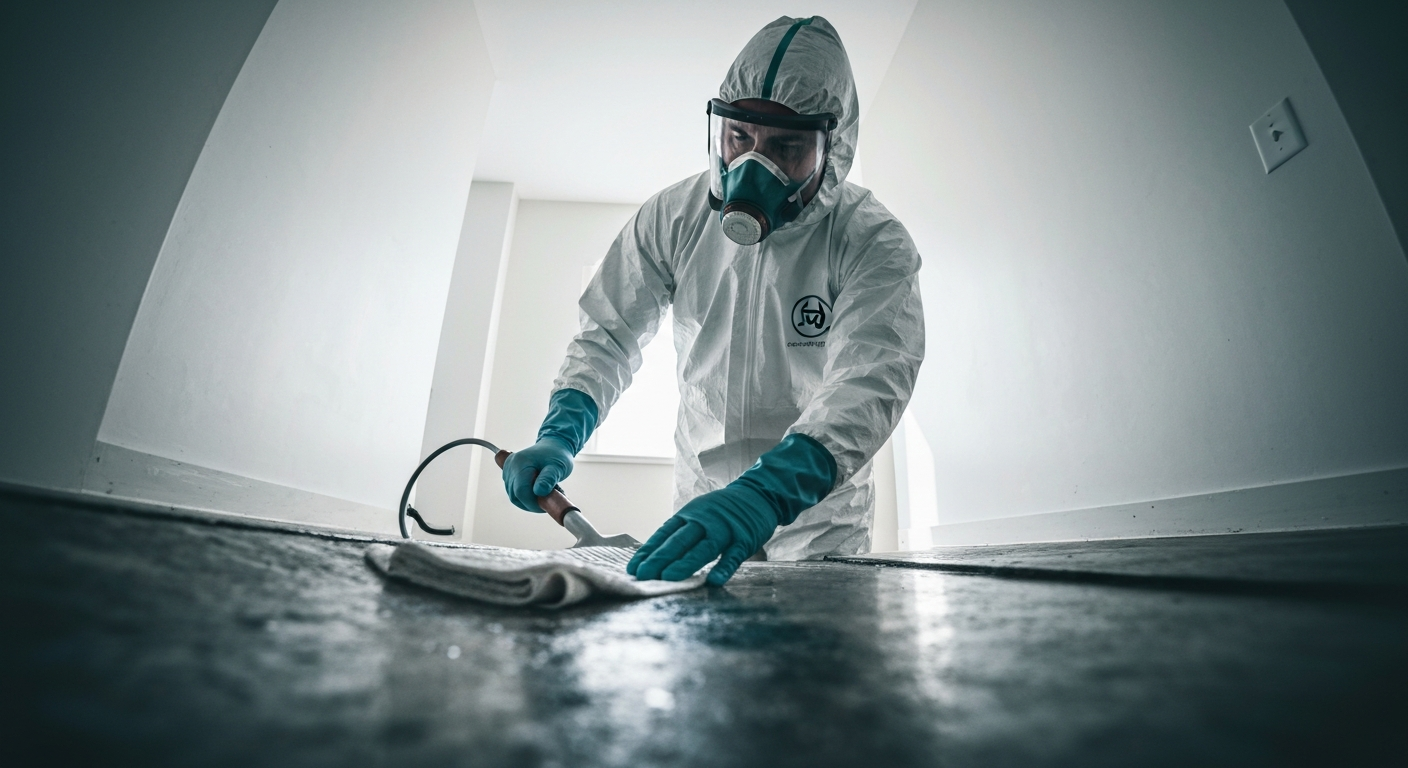
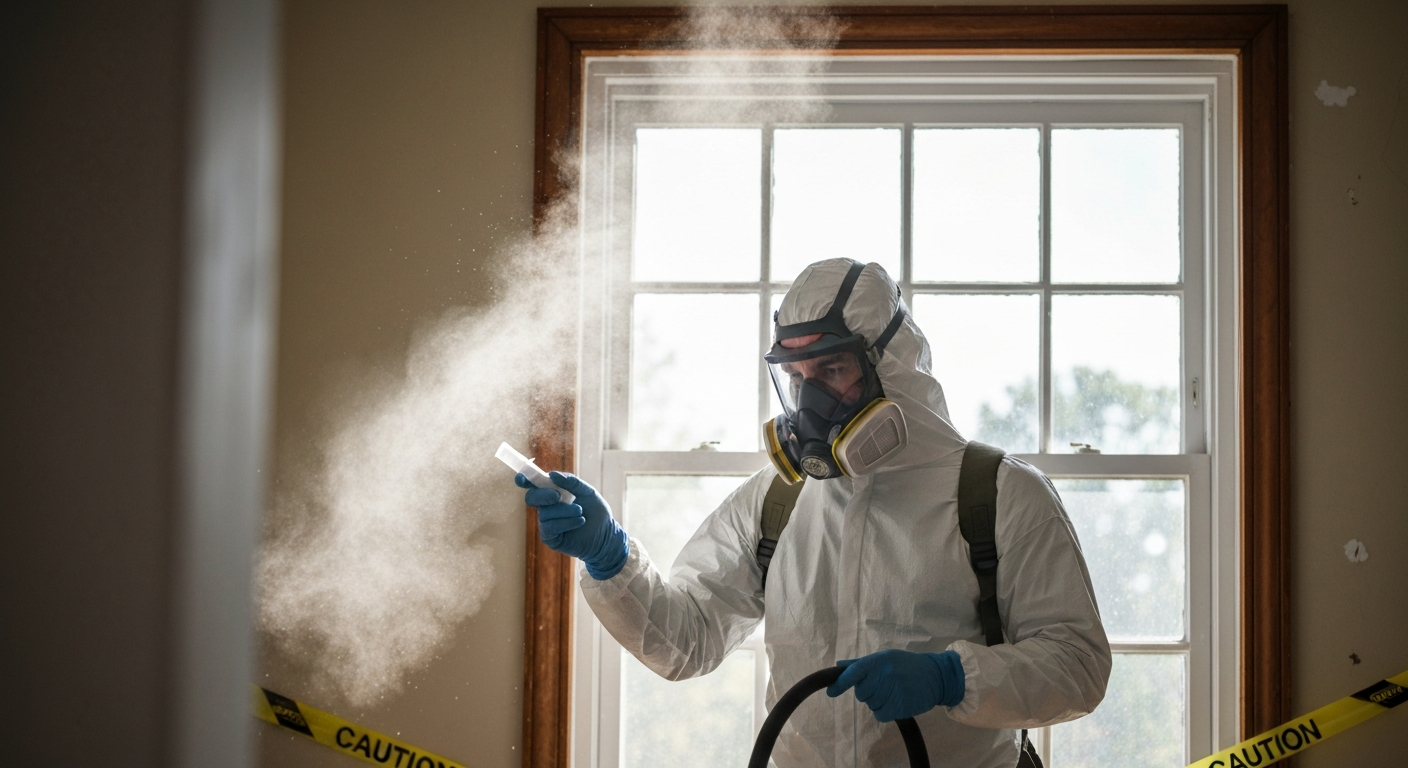
If asbestos is found, specialized abatement protocols must be strictly followed. This includes building negative pressure containments using heavy 6-mil poly-sheeting and utilizing HEPA filtration systems to ensure zero cross-contamination during the removal process. Workers must wear full Tyvek suits, double gloves, and P100 respirators.
Air Clearance Testing
Once the abatement is complete, an independent third-party hygienist must conduct a final air clearance test. Only after the air is certified completely free of asbestos fibers can the standard water damage drying and restoration process begin.
The DIY Danger
"Never attempt to rip out wet drywall or flooring yourself in an older home. Pulling up a single piece of asbestos-backed linoleum can release millions of microscopic, barbed fibers into the air that will remain suspended for days." — Xavier